



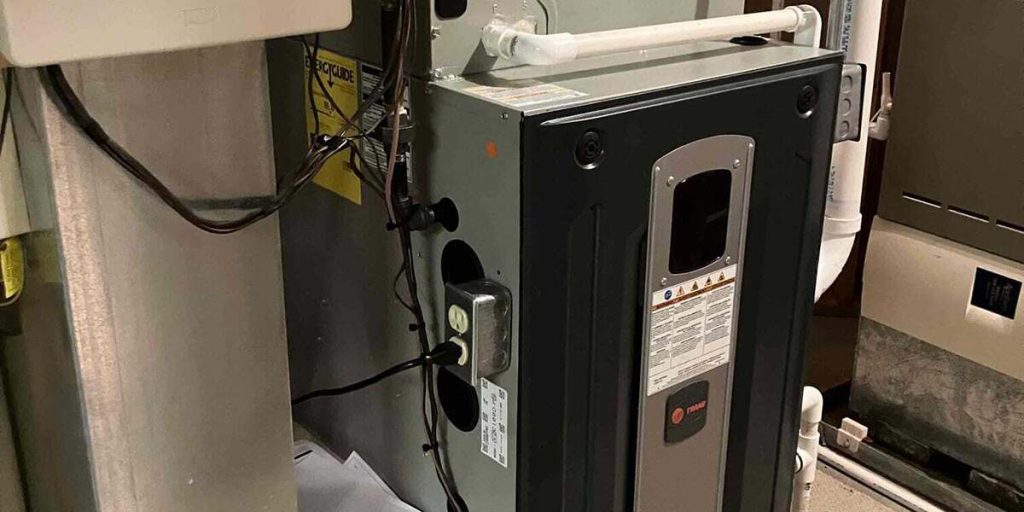
When it comes to heating your home, you want to make sure your furnace does the job without increasing your energy bills. Evaluating a high-efficiency furnace vs. a standard efficiency model is important to ensure you make the right choice for your home. Which one can save you more money in the long run?
In this guide, we’ll go over the main differences between standard and high-efficiency furnaces so you can learn which one makes for the better investment. If you’re looking to upgrade your heating system, turn to Complete Comfort Heating, A/C & Plumbing Repair. We offer professional HVAC services in Greenwood, Indiana, and are happy to set you up with a brand-new furnace.
How Do You Measure Furnace Efficiency?
Every furnace comes with an Annual Fuel Utilization Efficiency rating, which measures how well the system uses energy to convert fuel into heat. This rating focuses on the total heat output of the furnace compared to its annual energy consumption and doesn’t account for any heat loss that may occur due to leaky ducts. AFUE ratings generally fall within the following ranges:
- 56% to 70%: This is mostly seen in older furnaces that have a continuous pilot light.
- 80% to 83%: Standard efficiency furnaces fall within this range and are known for their electronic ignition, compact size, and small flue pipe.
- 90% to 98.5%: The highest energy efficiency rating often comes in heating systems that have a sealed combustion chamber and a second heat exchanger.
How To Select an Energy-Efficient Furnace
If you’re looking to replace your heater and researching the pros and cons of a high-efficiency furnace vs. a standard unit, the AFUE rating isn’t the only factor to consider. The following components also affect your furnace’s overall efficiency, which could influence your decision.
The Furnace Stages
Manufacturers produce furnaces with one of three kinds of options to run: single-stage, two-stage, or modulating stages. A single-stage furnace will heat your home at maximum capacity every time you turn it on. Two-stage furnaces have more versatility and can heat your home both at full blast and at a slower speed, which is often about 65% of the heater’s capacity.
Many households benefit from operating a two-stage furnace since the slower speed is best for keeping the home at a comfortable temperature rather than heating the air quickly. This option saves energy and also helps the heater operate quietly. If the slower speed isn’t sufficient enough to reach your desired temperature, the full-speed stage will take over.
High-efficiency models have a modulating gas valve, which allows the furnace to operate at different capacities according to your needs. The stages of the furnace matter because models with a 95% AFUE rating may only have a single stage, whereas standard efficiency heaters have two stages. If you don’t need to heat your home at full capacity, you’d save money opting for the standard unit.
Airflow
In addition to the furnace’s stages, you need to consider their airflow speed. Look for heaters that have some speed variation with the airflow since they impact the overall efficiency. Keep in mind that standard efficiency furnaces don’t have any airflow variation.
Key Differences Between Standard and High-Efficiency Furnaces
Heating systems can differ based on their airflow, stages, and AFUE rating. However, high-efficiency models and standard heaters also operate slightly differently.
Newer, high-efficiency units use sealed combustion and pull air from the outdoors instead of from your household. They use two PVC vent pipes to release exhaust back outside. Standard efficiency furnaces draw the air from the surrounding area and then release combustion gases through a steel exhaust pipe near the chimney.
The benefit of a high-efficiency furnace vs. a standard heater is increased safety due to sealed combustion. Mid-efficiency heaters pose a danger if you place them in a sealed attic or tight crawlspace. Experts recommend choosing a unit with a high AFUE rating when your furnace is in a closed-off location.
Which Furnace Saves You the Most Money?
Choosing a furnace that will save you money isn’t as easy as picking the most efficient unit available. Every household is different and you could end up benefiting more from a furnace with a lower AFUE rating. Below are some scenarios to consider before making your final decision.
You Use a Standard Furnace in a Vented Space
Do you currently have a mid-efficiency furnace in a vented area of your home? HVAC technicians recommend choosing the same type of furnace when it comes time to replace the heater. High-efficiency furnaces cost more upfront and require the installation of outdoor PVC exhaust pipes, which can add to the price.
You can save money on installation but make your furnace more efficient if you choose one with an 80% AFUE rating that also features two stages.
Your Furnace Belongs in an Enclosed Space
The combustion process of a high-efficiency furnace vs. a standard unit should influence your decision if you have your heating system in a crawlspace or enclosed area. Opt for the safer, sealed combustion framework of the high-efficiency furnace. Install either a two-stage unit or one with a modulating gas valve for more energy savings.
Your Goal Is an Energy-Efficient Home
It’s no secret that furnaces with high AFUE ratings can save you hundreds in energy costs. If your top priority is making your home energy efficient and saving money in the long run, consider investing in a high-efficiency furnace with modulating features and variable airflow. Your upfront costs may be higher, but you’ll enjoy long-term savings.
Contact Complete Comfort Heating, A/C & Plumbing Repair for Professional Furnace Installation
Don’t make an uninformed decision when you’re ready to upgrade your furnace. Let Complete Comfort Heating, A/C & Plumbing Repair answer all your questions and provide you with a reliable heating system. Our technicians can help you evaluate the key features of a high-efficiency furnace vs. a standard unit, give you tips for improving furnace durability, and much more.
We’re available 24/7 and ready to tend to your heating system. Call (317) 678-7092 or submit our online contact form to request immediate service.