



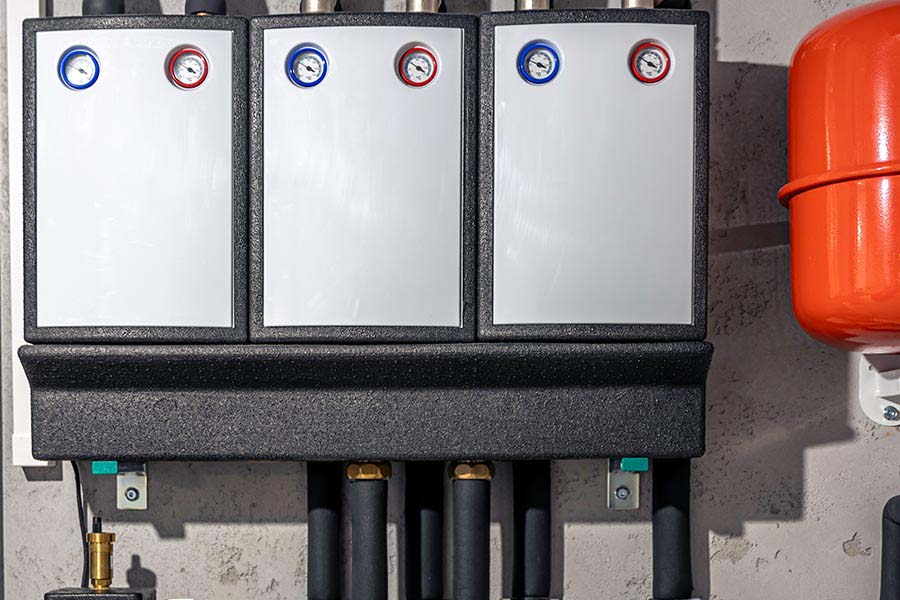
If we notice common water heater issues in Brownsburg, IN, we should start by checking for inconsistent temperatures, strange noises, or leaks. We need to troubleshoot no hot water by inspecting thermostat settings and confirming the pilot light is lit. Fixing leaks often means tightening valves or replacing fittings. For noisy heaters, we need to flush out the sediment. With proper maintenance, we can guarantee longevity. Let’s explore these solutions further to keep our water heater running smoothly.
Identifying Common Water Heater Issues
When we notice something’s off with our water heater, it’s crucial to identify the common issues that could be at play. One frequent problem is inconsistent water temperature; we might jump in and out of the shower due to sudden cold bursts.
Another issue could be strange noises, like popping or rumbling, which often signal sediment buildup. If we see water pooling around the unit, that could indicate a leak, and we definitely need to act fast.
We should also watch for discolored water, which can point to rust inside the tank. Finally, if our heater’s pilot light keeps going out, it’s a sign that something’s wrong with the gas supply. It’s essential to contact qualified professionals who can handle intricate unit issues effectively.
Troubleshooting No Hot Water Situations
After identifying common water heater issues, we may face the frustrating problem of no hot water.
Let’s troubleshoot this together. First, we should check a few key areas:
- Thermostat settings: Is it set too low?
- Power supply: Are the circuit breakers tripped?
- Pilot light: Is it lit for gas water heaters?
- Sediment buildup: Could debris be blocking the heating element?
Additionally, it’s essential to consider that local contaminants may affect your water quality and heating efficiency.
Fixing Leaks and Drips in Your Water Heater
How can we address those pesky leaks and drips in our water heater? First, let’s identify the source of the leak. Common culprits include the drain valve, temperature and pressure relief valve, or the inlet/outlet connections.
We should inspect these areas closely for any visible signs of water. If the drain valve leaks, we can try tightening or replacing it if necessary. Leaks near the temperature and pressure relief valve indicate excess pressure; we should consider lowering the water temperature.
If tightening connections doesn’t work, we may need to replace the fittings or use plumber’s tape for a better seal. As we tackle these leaks, let’s remember to turn off the water supply and drain the tank if needed. Additionally, it’s important to note that routine plumbing maintenance plans can help prevent such issues from arising in the first place.
If the problem persists or seems too complicated, it’s best to call a professional for help.
Addressing Noisy Water Heater Problems
Sometimes, a water heater can sound like it’s auditioning for a role in a horror movie, with popping, rumbling, or hissing noises that can be pretty unsettling.
We might think we’re in a spooky scene, but let’s investigate these sounds.
These noises often indicate issues like:
- Sediment buildup is causing rumbling as water tries to pass through.
- Heating elements that might be malfunctioning or damaged, leading to strange sounds.
- Pressure changes create hissing or popping when water heats up too quickly.
- Loose parts rattling around, which can create a clanking noise.
If we’re facing these issues, it’s best to act quickly. Fast, 24/7 heating repair response is essential for effectively addressing water heater problems.
Let’s troubleshoot together and guarantee our water heater operates quietly and efficiently, restoring our peace of mind.
Ensuring Proper Maintenance for Longevity
Addressing those unsettling noises is just one part of keeping our water heater in shape. Regular maintenance is essential for ensuring longevity and efficiency.
We should check the temperature setting on our thermostat; keeping it around 120°F helps prevent overheating and saves energy. Flushing the tank once a year removes sediment buildup, which can lead to corrosion and decreased efficiency.
Let’s also inspect the anode rod every couple of years. If it’s heavily corroded, replacing it can considerably extend our heater’s lifespan.
We should also check for leaks around the pipes and joints, as early detection can prevent bigger issues later.
Finally, consider enrolling in a maintenance plan with Complete Comfort Heating, Air & Plumbing. They offer expert service and can help you keep track of your water heater’s needs.
With proper care, we can enjoy reliable hot water for years.
Conclusion
To sum up, tackling water heater problems doesn’t have to feel like climbing Mount Everest! With our expert tips, we can conquer those pesky issues together, ensuring you enjoy steaming hot showers and peace of mind. Imagine never again shivering under a lukewarm cascade or hearing those ominous clunks and clanks! By following our guidance and maintaining your system, you’ll bask in the glorious warmth of comfort daily. Let’s keep your home feeling like a cozy oasis!