



Water Heater Installation & Replacement in Greenwood, IN
- 24/7 Service
- Quality Focused
- Highly Trained
- Unmatched Customer Service
- 24/7 Service
- Quality Focused
- Highly Trained
- Unmatched Customer Service
What Your Neighbors Are Saying About Us
Contact Us
Nobody plans for a water heater to quit. It usually announces itself with a cold shower on a January morning or a puddle spreading across the utility room floor, and suddenly, you are making a decision you have not thought about in a decade.
Greenwood’s hard water makes that decision come sooner than it does elsewhere. Mineral content in Johnson County water leaves sediment at the bottom of a tank, which insulates the burner from the water above it and forces the unit to run longer for the same result. Complete Comfort Heating, A/C & Plumbing Repair handles water heater replacement in Greenwood, IN, for both tank and tankless systems, and we size the unit to your household rather than just swapping in whatever was there before.
Our Services:
- Commercial Plumbing
- Drain Cleaning
- Drain Pipe Repair
- Faucets
- Garbage Disposals
- Gas Lines
- Hydrojetting Drain Cleaning
- Plumbing Maintenance
- Plumbing Repair
- Rooter Services
- Shower & Bathtub Installation
- Sewer Pipe Repair
- Sewer Services
- Sump Pumps
- Toilets
- Trenchless Sewer
- Water Heater Services
- Water Heater Repair
- Water Heater Replacement
- Tankless Water Heaters
- Water Treatment
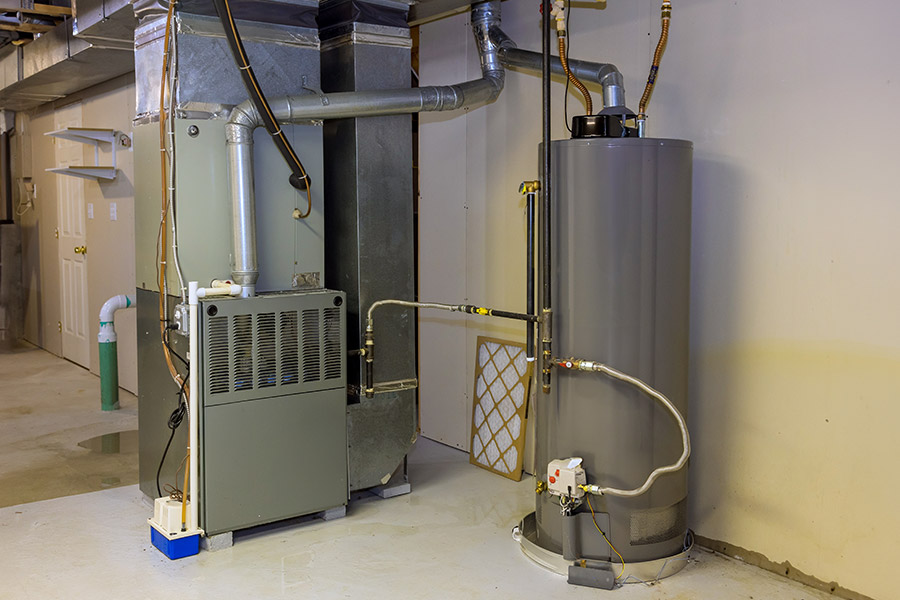
Is Your Water Heater Due for Replacement?
Most units give you a warning before they fail outright. Watch for these:
- Rusty or discolored hot water
- Not enough hot water
- Popping or rumbling sounds
- Water is pooling around the base
- Rust on the tank exterior
- Rising gas or electric bills
- Repeated repair calls
- Inconsistent water temperature
Moisture at the base of the tank is the one that cannot wait. Once a tank starts weeping, a full rupture is often close behind, and that means flooding wherever the unit sits.
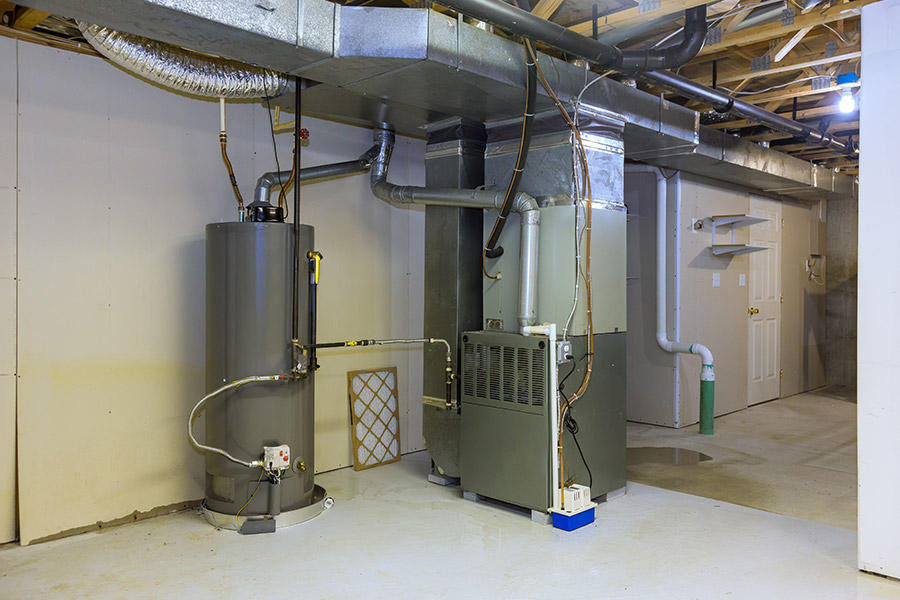
How Long Water Heaters Typically Last
A conventional tank unit generally runs 8 to 12 years. Tankless systems commonly reach 20 years or more because there is no tank to corrode, just a heat exchanger and components that can be serviced or swapped individually.
Water quality moves those numbers. Greenwood’s hard water accelerates sediment buildup, and a tank running on an inch of mineral sludge works harder, runs hotter at the bottom, and wears out faster. Homes without a softener often see tank life land at the shorter end of the range.
Maintenance pushes it back the other way. Flushing a tank annually clears sediment before it insulates the burner, and checking the anode rod every few years catches corrosion while the fix is still cheap. A unit that gets flushed every year routinely outlasts an identical one that never does. If yours is more than 10 years old and has never been serviced, it is worth planning rather than waiting for failure.
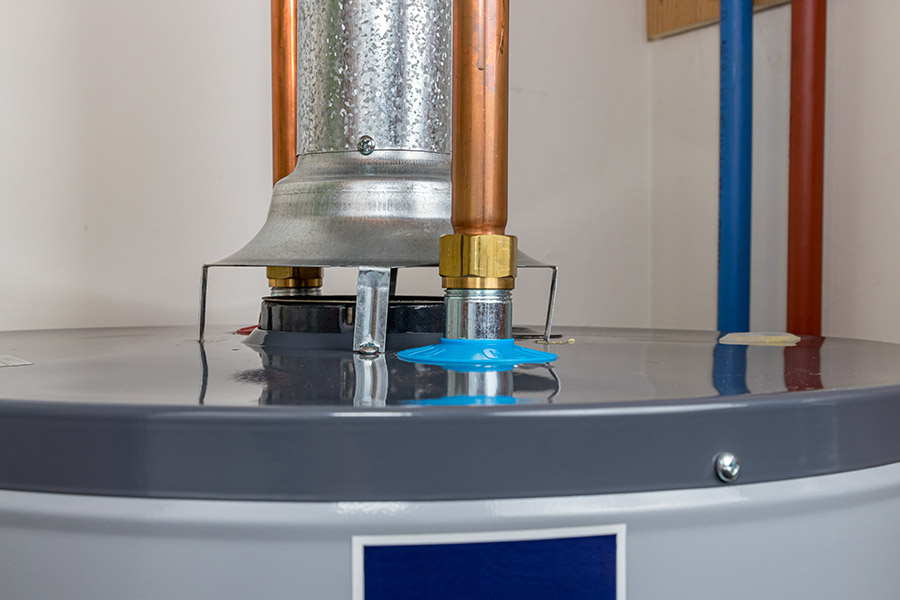
Tank vs. Tankless: Choosing the Right System
Tank units heat and store a set volume, usually 40 to 75 gallons, for a house. They cost less upfront, install quickly in most homes, and work well for households with predictable demand. The tradeoff is standby loss, since the unit reheats stored water all day, whether anyone uses it or not, and recovery time once the tank is drained.
Tankless water heaters heat water on demand as it passes through the unit. You get continuous hot water, which matters for a family running showers back-to-back, and it takes up a fraction of the floor space. Operating costs are typically lower since nothing is kept hot between uses. Upfront cost is higher, and many homes need a gas line upsizing or electrical work, plus new venting to support it.
Household size and fixture count drive the recommendation more than anything else. A couple in a two-bath ranch and a family of six with a soaking tub need different answers. Incoming water temperature matters too, since Indiana groundwater runs cold in winter, and a tankless unit has to work harder to raise it, which affects flow-rate sizing.
We run the numbers on either option during a water heater installation in Greenwood, IN, and give you honest pricing on both. Financing is available if the better long-term choice is not the easier one this month.
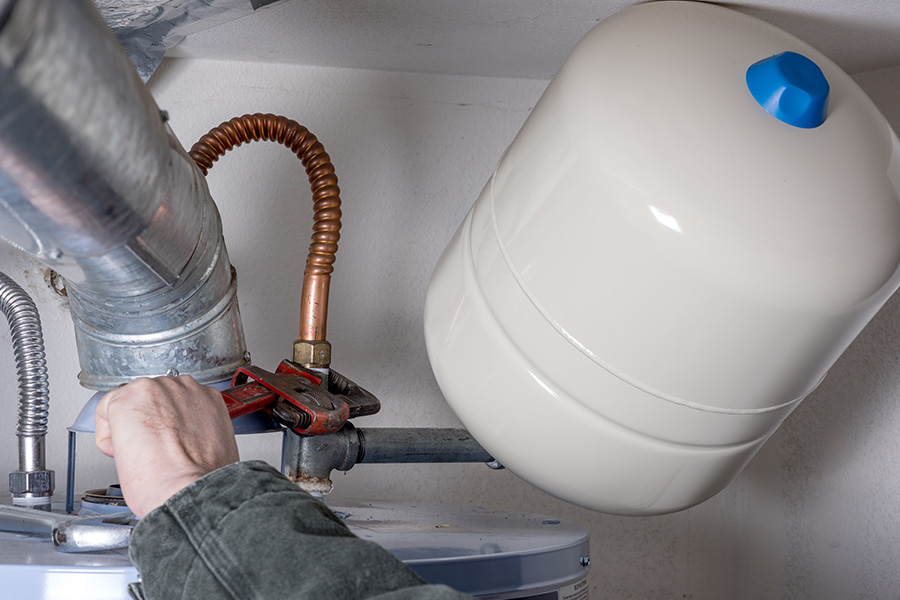
Our Water Heater Installation & Replacement Process
We start with an assessment. That means checking your current unit, your gas or electrical capacity, venting, water pressure, and how many fixtures draw hot water at once. Sizing errors are the most common reason a new water heater disappoints, so we take the time to address them here.
Then you get a written quote covering equipment, labor, permits, and removal of the old unit. You will know the total before we order anything, and we will lay out what each option costs to run over its lifetime so the comparison is clear.
Installation day starts with safely draining and removing the old unit. We install the new system with proper connections, an expansion tank where code calls for it, correct venting, and a drain pan with a line to a safe discharge point. Code compliance is not optional, and we pull permits where required.
We finish by testing. The unit is fired, temperatures are checked, connections are verified for leaks, and safety controls are confirmed. Then we show you the shut-offs, explain the flush schedule, and go over your warranty before we leave.

Why Choose Complete Comfort
Hot water is one of those things you only notice when it is gone, and we treat it that way.
- Emergency service day or night
- Highly trained, skilled technicians
- Honest pricing before work begins
- Financing and maintenance plan options
- Proper sizing for your household
- Right the first time, every time
Complete comfort in every way starts with the basics, and few things are more basic than a hot shower in an Indiana winter.
Frequently Asked Questions
How long does installation take?
A standard tank swap usually takes two to four hours. Tankless conversions take longer since they often involve venting, gas, or electrical changes.
Should I repair or replace my water heater?
If the unit is under eight years old and the problem is a part, repair usually makes sense. Over the past ten years, with recurring issues, replacement is the better value.
Is tankless worth the extra cost?
For larger households and anyone staying in the home long term, often yes. Lower operating costs and a longer lifespan tend to close the gap.
How often should I flush my water heater?
Once a year, and that matters more here, given Greenwood’s hard water. Our maintenance plan covers it, so you do not have to track it.
Do you handle permits?
Yes. We pull required permits and install to code so your system passes inspection, and your warranty stays valid.