
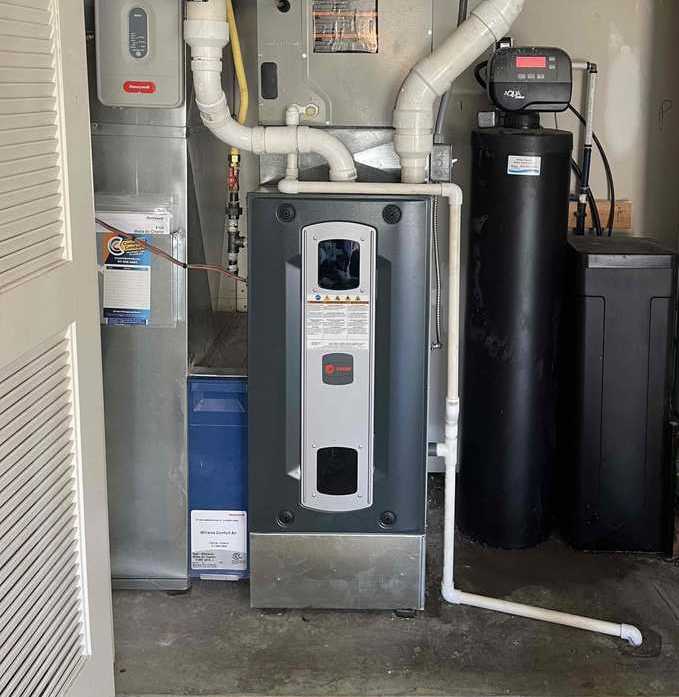
Every winter, countless families find themselves huddled under blankets, not because they love the cozy aesthetic but because their furnace decided to take a holiday. Heating issues are among the top household problems during the colder months, often leaving homeowners in a chilly predicament. It’s not just about comfort; it’s about staying safe and warm when the temperature outside drops. This is where a little piece of technology, the furnace pressure switch, becomes an unsung hero in our homes.
Think of the furnace pressure switch as a diligent gatekeeper. It ensures everything is in check before allowing the furnace to fire up and warm your home. Its job is to signal your furnace to kick into action when the air pressure is just right, ensuring everything runs smoothly and safely. But like any hardworking component, it can run into problems. Blocked vents, faulty connections, or even a speck of dust can throw a wrench in the works. That’s why understanding and keeping an eye on this tiny but mighty part is crucial. It’s not just about fixing a problem; it’s about preventing one from happening in the first place. Let’s dive into the world of furnace pressure switches and learn how to keep our homes cozy, safe, and efficiently heated.
Understanding Your AC System
Knowing the ins and outs of your AC system is like learning a new language. At the heart of it all, you’ve got a few key players: the compressor, condenser, evaporator, and refrigerant. These components work harmoniously to pull hot air from your home, cool it down, and send it back as the refreshing breeze we crave during those hot summer days. The compressor pumps the refrigerant through the system, absorbing indoor heat and releasing it outdoors through the condenser. Meanwhile, the evaporator inside your home draws in warm air, cooling it down before it circulates back into your living spaces. It’s a delicate balance, and each part is crucial in keeping your home comfortable.
This is where professional knowledge shines. While it might be tempting to try and fix a hiccup in your AC system on your own, understanding the intricate dance between these components requires more than just a quick study. Professionals spend years mastering the art of HVAC systems, not just learning the parts but understanding how they affect your home’s air quality and efficiency. They have the tools and experience to diagnose issues that aren’t always visible to the untrained eye. Plus, they’re up to date on the latest technology and safety standards, ensuring that it stays fixed when they fix a problem. Trusting a pro with your AC repair means ensuring your system runs smoothly and efficiently without the added stress of potential mishaps or misdiagnoses.
Understanding the Furnace Pressure Switch
The furnace pressure switch acts as a safety sentinel, ensuring that your furnace operates within safe conditions by monitoring air pressure. The component decides whether your furnace can ignite using the right venting conditions. This careful check helps prevent dangerous situations, like releasing harmful gases or unsafe furnace operation.
This switch is a watchdog connected to the furnace’s vent system, verifying proper airflow and pressure before allowing ignition. It halts ignition if it detects anything wrong like low or high air pressure signaling blockages or leaks. This built-in safeguard is crucial for safety and efficiency, ensuring your furnace only runs when it’s safe.
Whether your furnace is a simple single-stage model or a more complex two-stage system, the pressure switch plays a pivotal role in its operation. Its primary mission is to keep your home safely and efficiently warm. Understanding and maintaining this small but mighty component is a significant step toward a cozy, trouble-free heating season.
Signs of a Faulty Furnace Pressure Switch
- Furnace Fails to Start: The most glaring sign is when your furnace doesn’t kick on. If the pressure switch senses an issue and refuses to close, your furnace stays off as a safety measure.
- Frequent Cycling: Does your furnace start and stop more than a teenager’s attention span? This could be the switch acting up, incorrectly sensing pressure problems, and shutting down the system prematurely.
- Unusual Noises: Listen for sounds resembling clicks from the furnace area. A clicking noise might indicate the switch is trying to operate but can’t maintain a closed position due to pressure issues.
These symptoms don’t just spell discomfort; they hint at underlying safety risks. A malfunctioning pressure switch could mean your furnace operates under unsafe conditions, such as poor venting, that could lead to carbon monoxide buildup. It’s not just about staying warm; it’s about staying safe.
Catching these issues early is crucial. It’s like noticing a small leak in a dam before it becomes a flood. Addressing pressure switch problems promptly can prevent more severe complications, ensuring your furnace runs efficiently and safely. Remember, a well-functioning pressure switch is a guardian of your home’s warmth and safety. Look for these signs; your furnace will thank you with reliable, cozy heat all winter.
How to Test a Pressure Switch on a Furnace
Step 1: Prepare Your Tools
Step 2: Access the Pressure Switch
Step 3: Disconnect the Wires
Step 4: Test for Continuity
Step 5: Interpret the Results
- Continuity Present: If your multimeter beeps or shows a reading (usually 0 or close to 0 ohms), the electrical path is good, indicating the switch might not be the issue.
- No Continuity: If there’s no beep or the multimeter shows infinite resistance, the switch is likely defective and needs replacement.
When to Call a Professional
- If you need clarification on any part of the testing process.
- If the switch appears faulty, especially if you’re uncomfortable replacing it yourself.
- If testing the switch doesn’t resolve your furnace issues, other underlying problems might exist.
Troubleshooting Common Pressure Switch Problems
- Blocked Vent Pipes: Clear any debris or blockages in the vent pipes to ensure proper airflow.
- Faulty Wiring: Inspect and tighten any loose electrical connections and replace corroded wires if necessary.
- Dirty Pressure Switch: Clean the pressure switch tube and the port on the draft inducer motor to remove any dust or debris.
When to DIY vs. When to Call a Professional
DIY: Simple tasks like clearing vent pipe blockages, checking for loose wires, or cleaning the pressure switch tube are generally safe for most homeowners. If you’re comfortable with basic troubleshooting and the problem is straightforward, you can attempt to fix it yourself.
Call a Professional: If you encounter complex electrical issues or signs of significant wear, or if your troubleshooting doesn’t resolve the issue, it’s time to call in an expert. Also, a professional’s expertise is invaluable for annual maintenance or clarification on a problem.
These tips help prevent pressure switch problems, ensuring your furnace runs smoothly. When in doubt, always lean on caution and consult with an HVAC expert.
Preventive Maintenance Tips
Regular maintenance is your furnace’s best friend, helping avoid pesky pressure switch problems and ensuring your heating system runs efficiently. Here’s how to keep everything in top shape:
- Routine Check-Ups: Like a car, your furnace needs regular servicing to perform its best. Schedule a professional HVAC inspection annually, ideally before the heating season begins. This check-up can catch issues early, saving you from cold nights and costly repairs.
- Keep It Clean: A clean furnace is a happy furnace. Dust and debris can cause many problems, including pressure switch malfunctions. Make it a habit to clean around your furnace regularly and ensure nothing is blocking the air intake or exhaust.
- Filter Replacement: Your furnace’s filter is its first defense against dirt and dust. A clogged filter affects air quality and can strain your furnace’s components, including the pressure switch. Replace your filter every three months or more often if you have pets or a busy household.
- Venting System Care: Ensure your furnace’s venting system is clear of obstructions. Blocked vents can lead to improper pressure switch operation and even dangerous gas build-ups. Keep an eye on external vents, removing debris, snow, or leaves that might block airflow.
Final Thoughts
The furnace pressure switch is critical in keeping your heating system safe and efficient, acting as a crucial checkpoint before your furnace ignites. While getting to grips with basic troubleshooting can save you time and discomfort, knowing when to call in the experts is essential for more complex issues. For everything from regular maintenance to solving tricky furnace dilemmas, consider contacting Complete Comfort Heating, A/C & Plumbing Repair. Their certified professionals are ready to ensure your furnace runs smoothly, keeping your home cozy and safe all year round.
Frequently Asked Questions
A furnace pressure switch is a safety device that ensures your furnace operates under safe conditions. It monitors the air pressure inside the furnace and only allows the furnace to ignite if the pressure is within safe limits. This prevents the furnace from running in unsafe conditions, such as with blocked venting that could lead to dangerous gas accumulations.
Signs of a faulty furnace pressure switch include the furnace failing to start, frequent cycling on and off, and unusual noises like clicking sounds from the furnace area. These symptoms suggest the pressure switch may not function correctly due to blockages, faulty wiring, or a dirty switch.
With caution and basic knowledge, you can test your furnace pressure switch using a multimeter set to measure continuity. Ensure the furnace is powered off before disconnecting the switch and testing. If you need clarification on the process or the results indicate a problem.
Regular maintenance is critical to preventing pressure switch issues. This includes keeping the vent pipes clear, ensuring the furnace area is clean, and replacing the furnace filter every few months. Additionally, scheduling an annual professional check-up can help catch and resolve potential issues early.
If troubleshooting based on the typical symptoms doesn’t resolve the issue, or if the multimeter test suggests the switch is faulty, it’s time to call a professional. Complex problems, especially those involving electrical work or if you’re unsure about your DIY diagnosis, should always be handled by a certified HVAC technician to ensure safety and efficiency.