
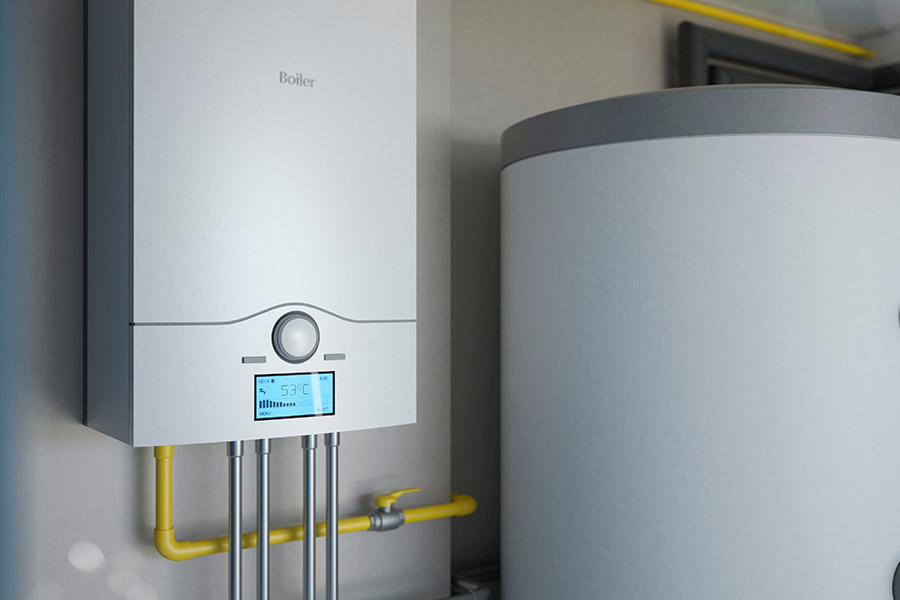
Boilers are serious pieces of equipment. They combine gas, electricity, and scalding water in one system, which means a leak is never something to ignore. Left unchecked, a leaking boiler puts your home at risk of water damage, and in more severe cases, carbon monoxide exposure. Repairs should always be handled by a licensed professional, but knowing how to respond in the first few minutes can protect your family and your property until help arrives.
Complete Comfort Heating, Air & Plumbing provides certified boiler repair in Greenwood, IN, and our technicians are trained to handle both water and gas leaks safely. Working in homes across Greenwood, from the older properties around Old Town to newer builds near Freedom Park, we’ve seen how quickly a small boiler issue can escalate. Here’s what to do while you wait for a professional to arrive.
Turn Off the Boiler in Your Greenwood, IN, Home
Whatever the cause of the leak, the first step is always the same: shut everything down. Most modern hot water systems rely on electricity even when they run on gas, so make sure you cut off access to water, gas, and electricity at the boiler. This prevents water from dripping onto live electrical components, which could spark a fire, and keeps a potential gas leak from getting worse.
If you’re not sure where these shutoffs are located, that’s worth learning before a problem ever happens. In our service calls throughout Greenwood, we often find homeowners discovering their shutoff valves for the first time in the middle of an emergency.
How To Handle a Gas Leak
A gas leak is a major concern and should be treated as the emergency it is. Turn off the gas supply, open all your windows and doors to ventilate the home, leave immediately, and call 911.
Carbon monoxide has no smell, so without a working detector you won’t know it’s entering your home. Breathing it in can cause flu-like symptoms and may be fatal. Because the gas is also combustible, avoid turning on burners, flipping switches, or plugging in appliances until the home has been cleared.
Given how hard Indiana winters push heating systems, especially during those long January cold snaps, we recommend every Greenwood home with a boiler or furnace have carbon monoxide detectors on each level.
Contain the Water
Water damage leads to mold and rotted wood, followed by costly repairs to fix the mess left behind. Check under the tank, around the expansion tank, and beneath the pipes for puddles. Place a bucket or bowl under any active drips and dry up standing water as best you can.
Make sure the water, gas, and electricity supplies are off before you do this. You want the flow stopped, and you don’t want to be mopping up water anywhere near live electrical components. If the leak has already spread into flooring or drywall, a professional plumbing repair visit can help you assess the full extent of the damage, not just the drip you can see.
Common Sources of Boiler Leaks
You don’t need to diagnose the problem yourself, but understanding where leaks come from helps you describe what you’re seeing when you call for service. Based on what we see in Greenwood properties, boiler leaks typically trace back to one of the following:
- Corrosion: Rust inside the tank or along the pipes and pressure valves creates small holes over time. Corrosion often shows up around tank edges, pipe fittings, or where pipes meet the wall.
- High pressure: The pressure relief valve is designed to discharge water when pressure climbs too high. A gauge needle outside the green zone is a sign the system needs professional attention.
- High temperature: Excessive temperatures cause water to boil over. Modern tanks include sensors to prevent this, but those sensors can fail on aging equipment.
- Heat exchanger issues: Heat exchangers can crack from pressure or corrosion, and a cracked exchanger carries a real carbon monoxide risk. This is one of the most serious causes and should never be handled without a certified technician.
- Broken joints: Sealant on pipe fittings deteriorates over time, and corrosion can eat through connection points. Corners and pipe junctions are among the most common leak locations.
- End of lifespan: Every boiler eventually reaches retirement age. Frequent leaks, uneven heating, and rising energy bills are all signs a system is nearing the end. When that time comes, our team can walk you through replacement options for boilers in Greenwood that fit your home and budget.
Why Boiler Repairs Belong in Professional Hands
It can be tempting to grab a wrench and start tightening fittings, but boiler systems operate under pressure and connect to gas and electrical lines. A joint that’s overtightened can crack. A temporary patch can mask a deeper problem, like a failing heat exchanger, that continues to worsen behind the scenes.
Our certified technicians carry the diagnostic tools to pinpoint the true source of a leak, test system pressure, and inspect for carbon monoxide risks in a single visit. If the issue extends beyond the boiler itself, into radiators, zone valves, or the wider system, a full heating repair assessment ensures nothing gets missed before the next cold front rolls through Johnson County.
Keeping Your Greenwood Home Safe and Warm
Once you’ve shut the system down and contained the water, call Complete Comfort Heating, Air & Plumbing. We’ll get to your Greenwood home as quickly as possible, and our highly trained technicians can handle boiler leaks no matter how complicated the situation looks.
Whether you’re dealing with an active leak or simply want a professional to look over an aging system before winter, we’re here to help. Contact our team today to schedule your boiler service and get back to complete comfort.