
If our AC isn’t cooling in Greenwood, IN, let’s start by checking the thermostat settings to guarantee it’s on “cool” and set lower than the room temperature. We should inspect the air filters for clogs and examine the outdoor unit for any debris. It’s also wise to clear the condensate drain line and evaluate electrical components for any issues. By following these steps, we can restore our cooling efficiency. There’s more to explore to guarantee everything works perfectly!
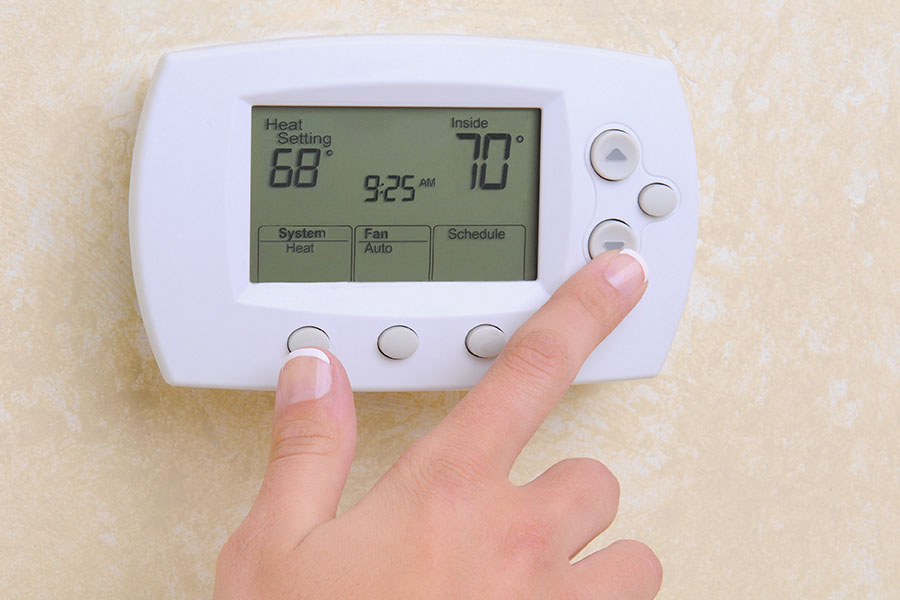
Check the Thermostat Settings
Have you checked the thermostat settings? It’s the first thing we should do when our AC isn’t cooling. Sometimes, the simplest things can cause significant issues.
We often forget to confirm that the thermostat is set to “cool” and not “heat.” Let’s also guarantee it’s set to a temperature lower than the current room temperature.
If it’s still not working, check if the fan is set to “auto” instead of “on,” as this can affect how the system operates.
Next, we should verify that the batteries are functioning, especially in battery-operated thermostats. A dead battery can lead to inaccurate readings and no cooling.
Taking these simple steps can save us from unnecessary service calls. If everything checks out and the AC still isn’t cooling, it might be time to call in the experts at Complete Comfort Heating, Air & Plumbing for further assistance. Remember, they offer local residents 24/7 availability for quality cooling system services.
Inspect the Air Filters
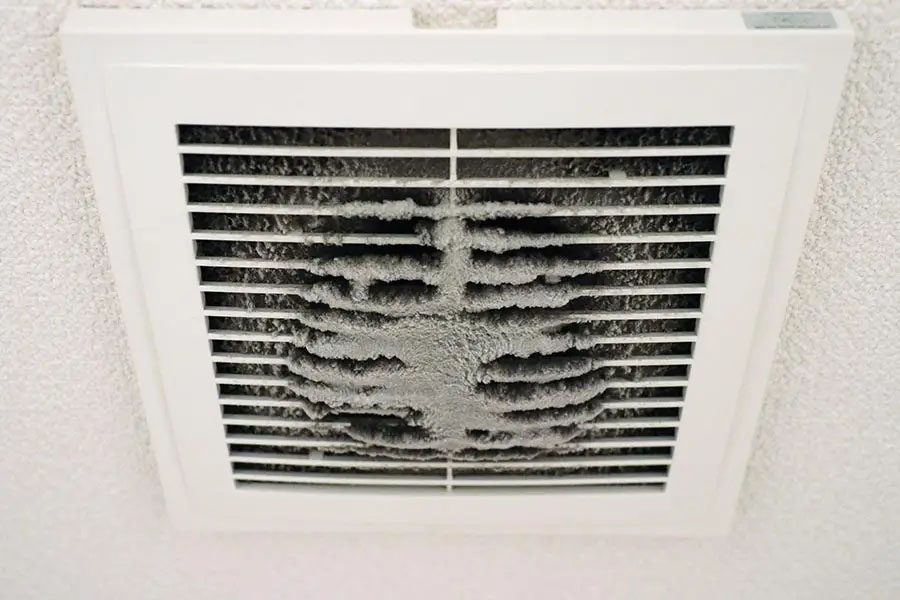
Air filters play an essential role in the efficiency of our AC system, so we need to check them regularly.
Clogged or dirty filters can restrict airflow, making it harder for our AC to cool our home effectively. This can lead to increased energy bills and potential breakdowns.
Let’s make it a habit to inspect the filters every month, especially during peak usage seasons. If we notice dirt, dust, or debris, it’s time to replace them.
Generally, standard filters should be replaced every 1-3 months, but some high-efficiency ones may last longer. Regular maintenance can improve cooling system performance, ensuring that your AC operates efficiently and prolonging its lifespan.
Examine the Outdoor Unit
After checking the air filters, we can turn our attention to the AC system’s outdoor unit.
This component plays an essential role in keeping our home cool, so let’s make sure it’s in good shape.
Here are three things we should check:
- Debris and Obstructions: Make sure there aren’t any leaves, dirt, or obstructions around the unit that could hinder airflow.
- Coils and Fins: Inspect the coils and fins for dirt buildup. Cleaning them can significantly improve efficiency.
- Electrical Components: Look for any damaged wires or connections. A loose connection can lead to performance issues. Additionally, remember that annual AC tune-ups can help identify these problems before they escalate.
Clear the Condensate Drain Line
Clearing the condensate drain line is essential to guarantee our AC system operates efficiently. Over time, dirt, algae, and mold can accumulate in this line, leading to clogs that prevent proper drainage.
When this happens, our AC may struggle to cool our home effectively. We can start by locating the drain line, typically a PVC pipe near the outdoor unit to tackle this.
Next, we’ll use a wet/dry vacuum to remove blockages. If we notice stubborn clogs, vinegar and water can help break them down.
Regularly checking and clearing this line enhances our AC’s performance and prevents water damage and mold growth in our home. Additionally, ensuring proper water heater maintenance can also contribute to a more efficient home environment.
Let’s make it a habit to inspect the condensate drain line during our regular maintenance checks. This will ensure our system runs smoothly and keeps us comfortable all summer long.
Evaluate Electrical Components
Electrical components play a crucial role in our AC system’s performance, and it’s essential to evaluate them regularly.
If our air conditioning isn’t cooling, we should check these key electrical parts:
- Circuit Breaker: Confirm the circuit breaker hasn’t tripped. A simple reset might get our AC running again.
- Thermostat: Verify that the thermostat is set to the desired temperature and is functioning correctly. Sometimes, a dead battery can cause issues.
- Wiring and Connections: Inspect the wiring for any signs of damage or loose connections. Faulty wiring can disrupt the entire system.
Conclusion
So, before declaring your AC a lost cause and planning a summer spent in a swamp cooler, let’s take a breather and check those key points. We’ve got this! We can avoid an epic battle with the heat with a bit of luck and a few adjustments. Remember, we’re not just fighting to keep our cool—we’re on a mission to outsmart the thermostat and reign supreme over the summer sun!