

Summer energy bills in Ingalls have a way of catching homeowners off guard. You set the thermostat where you always do, your routine has not changed, and yet the bill that arrives in July or August is noticeably higher than it was the year before. That gap between expectation and reality is usually trying to tell you something about the condition of your home comfort system.
Madison County summers bring consistent heat and humidity that push air conditioning systems hard for weeks at a time. When a system is not operating at full efficiency, the cost of that inefficiency shows up directly on your utility statement. In our service calls throughout Ingalls and the surrounding area, high energy bills are one of the most reliable indicators that something in the system deserves a closer look.
Here are six of the most common reasons your summer energy costs are higher than they should be, and what can be done about each one.
1. A Dirty or Clogged Air Filter
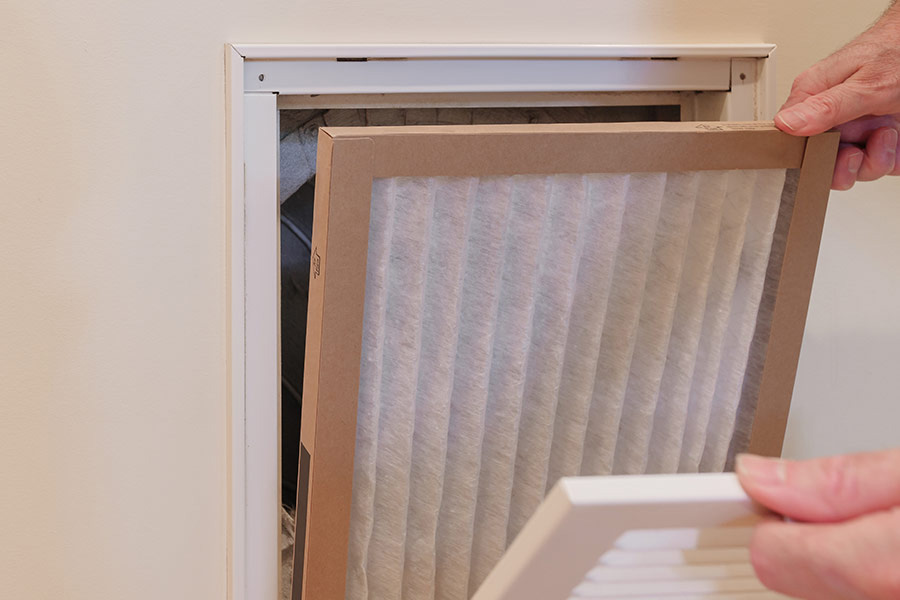
The air filter is one of the simplest and most overlooked components in an HVAC system, and a clogged filter is one of the most common contributors to elevated energy costs. When the filter is packed with dust and debris, airflow through the system is restricted. The blower has to work harder to pull air across the evaporator coil, the system runs longer cycles to reach the set temperature, and energy consumption climbs as a result.
Most filters in residential systems should be checked monthly during peak cooling season and replaced when they show visible buildup. In homes with pets, multiple occupants, or dusty conditions common in parts of rural Madison County, filters may need replacing more frequently than the manufacturer’s general guidance suggests.
A dirty filter is an easy fix, but it is also an early warning sign. If your filter is consistently clogging faster than expected, that may point to a deeper air quality or duct condition issue worth investigating.
2. An Aging or Inefficient Air Conditioner
Air conditioners lose efficiency as they age. A system that is ten or more years old may have an efficiency rating far below what modern equipment delivers, and that gap becomes more pronounced as components wear. Older systems also develop gradual performance losses that do not always announce themselves dramatically. The compressor runs less effectively, refrigerant levels drift, and the overall output per unit of energy consumed quietly decreases over time.
Working in homes across Ingalls, we frequently find that households experiencing unexplained increases in summer energy costs are running aging equipment that has never been professionally assessed. The system appears to be functioning because it is still producing cold air, but the efficiency at which it is doing so has declined significantly.
If your AC is older than ten years and your energy bills have been trending upward, a professional efficiency evaluation is a worthwhile investment. In some cases, targeted repairs restore performance. In others, replacement with a higher-efficiency system pays for itself relatively quickly through reduced operating costs.
3. Refrigerant That Is Low or Leaking
Refrigerant is the substance that makes the cooling process possible. It absorbs heat from your indoor air and releases it outside, and it is designed to operate within a specific pressure range. When refrigerant levels drop due to a leak, the system loses its ability to transfer heat efficiently. It runs longer and works harder to achieve the same cooling output, which drives energy consumption higher.
A system low on refrigerant will often show other symptoms alongside elevated energy bills. You may notice the home is not cooling as quickly as it used to, certain rooms feel warmer than others, or ice is forming on the refrigerant lines or outdoor unit. Based on what we see in service calls throughout the area, refrigerant leaks are among the more commonly missed causes of rising utility costs because the system continues to run and cool to some degree, which can mask the underlying problem.
Refrigerants cannot simply be topped off. A licensed technician must locate and repair the leak before recharging the system. Reaching out for AC repair at the first sign of reduced cooling performance is a more cost-effective path than allowing the problem to compound through an entire cooling season.
4. Leaking or Uninsulated Ductwork
Your duct system is responsible for delivering conditioned air from the unit to every room in your home. When ducts develop leaks, disconnections, or gaps at joints and connections, a significant portion of that conditioned air never reaches its destination. It bleeds out into unconditioned spaces such as attics, crawlspaces, and wall cavities instead.
The Department of Energy estimates that duct leakage can account for 20 to 30 percent of the energy used by a typical cooling system. For Ingalls homeowners in older homes or homes that have not had ductwork inspected in years, that figure represents real money leaving gaps in the walls.
Poorly insulated ducts passing through hot attic spaces compound the problem further. Cool air traveling through ducts exposed to attic temperatures that can exceed 130 degrees on a summer day absorbs heat before it ever reaches the living space, forcing the system to work harder to compensate.
A duct inspection can identify leakage points and insulation gaps. Sealing and insulating ductwork properly is one of the higher-return efficiency improvements available to most homeowners.
5. Thermostat Settings and System Behavior
Sometimes the cause of a high energy bill is not a mechanical failure but a configuration or behavioral issue. A thermostat set lower than necessary, a system running fan-only mode continuously, or smart thermostat settings that were configured incorrectly can all drive energy consumption higher without any obvious sign that something is wrong.
It is also worth noting how your home handles heat gain throughout the day. Homes in Ingalls that receive significant direct sun exposure through west or south-facing windows are absorbing substantial heat load in the afternoon hours. That heat gain has to be overcome by the air conditioning system, and the more heat enters the home, the harder the system works.
Simple adjustments like raising the thermostat a few degrees when the home is unoccupied, using window coverings during peak sun hours, and ensuring the thermostat is calibrated accurately can meaningfully reduce operating costs without sacrificing comfort. A technician can also verify that your thermostat is reading temperatures correctly and communicating accurately with your system.
6. A System That Has Not Been Serviced Recently
An air conditioning system that goes year after year without professional maintenance gradually loses efficiency in ways that add up. Coils accumulate dirt and reduce heat transfer capacity. Electrical connections loosen and increase resistance. Moving parts operate with less lubrication than they need. Condensate drains partially clog and cause the system to work against back pressure.
None of these issues individually causes a dramatic failure, but collectively they can reduce system efficiency by a meaningful percentage and push energy costs noticeably higher over a cooling season.
Scheduling professional AC maintenance before the summer season is the most effective way to address these accumulated inefficiencies. A thorough tune-up cleans the components that affect heat transfer, checks refrigerant levels and pressures, inspects electrical connections, lubricates moving parts, and verifies that the system is operating as efficiently as possible heading into the months when it will be working hardest.
Homeowners who maintain their systems consistently spend less on energy and face fewer unexpected repair costs than those who run their equipment without attention until something breaks.
What a Professional Assessment Can Tell You
If your energy bills this summer are higher than you expect and you are not sure which of these factors is responsible, a professional HVAC assessment gives you clear answers. A technician can measure system performance, check refrigerant charge, inspect ductwork, evaluate equipment age and condition, and identify exactly where efficiency is being lost.
That information lets you make informed decisions about whether a repair, a maintenance service, or an equipment upgrade makes the most sense for your home and budget. For homeowners in Ingalls who want to get ahead of the problem before the next billing cycle, scheduling an AC inspection and cooling service is the right starting point.
Bringing Your Energy Costs Back Under Control
Rising summer energy bills in Ingalls are rarely the result of one single cause. More often, a combination of deferred maintenance, equipment age, and duct or airflow issues are working together against your system’s efficiency. Addressing them systematically and with professional guidance is the most reliable path to bringing those costs back in line.
At Complete Comfort Heating, Air & Plumbing, we help homeowners throughout the area identify exactly what is driving their energy costs and deliver the service needed to correct it. Our technicians are thorough, honest, and committed to solutions that genuinely improve performance rather than temporary fixes.
If your summer bills have been running higher than they should, contact our team today to schedule an assessment and start putting that wasted energy back in your pocket.