
When a heating system starts underperforming, it rarely does so dramatically. The decline is usually gradual: rooms that were comfortable last winter feel a bit cooler this year, the system seems to run longer than it used to, or the energy bill climbs without an obvious explanation. By the time the problem becomes impossible to ignore, it has often been developing for months.
Woodbury sits in the rural stretches of Decatur County, where winters arrive with real force and a heating system that is not performing at full capacity is not just an inconvenience. It is a genuine concern for the comfort and safety of everyone in the home. Understanding the most common problems that affect heating performance gives homeowners the knowledge to act early, before a developing issue becomes a breakdown during the coldest stretch of the season.
Here are six of the most common problems that affect heating system performance in Woodbury homes and what each one means for your equipment.
1. A Dirty or Clogged Air Filter
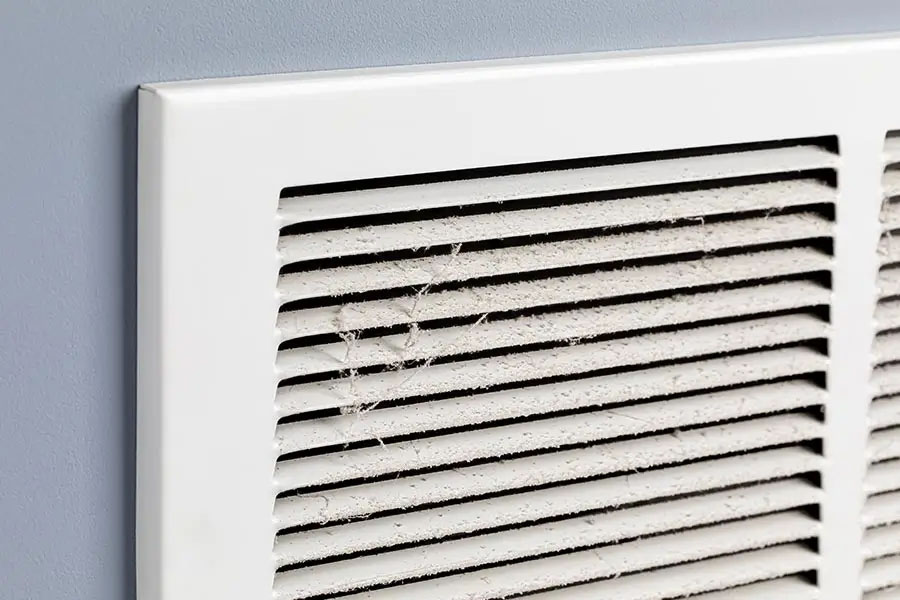
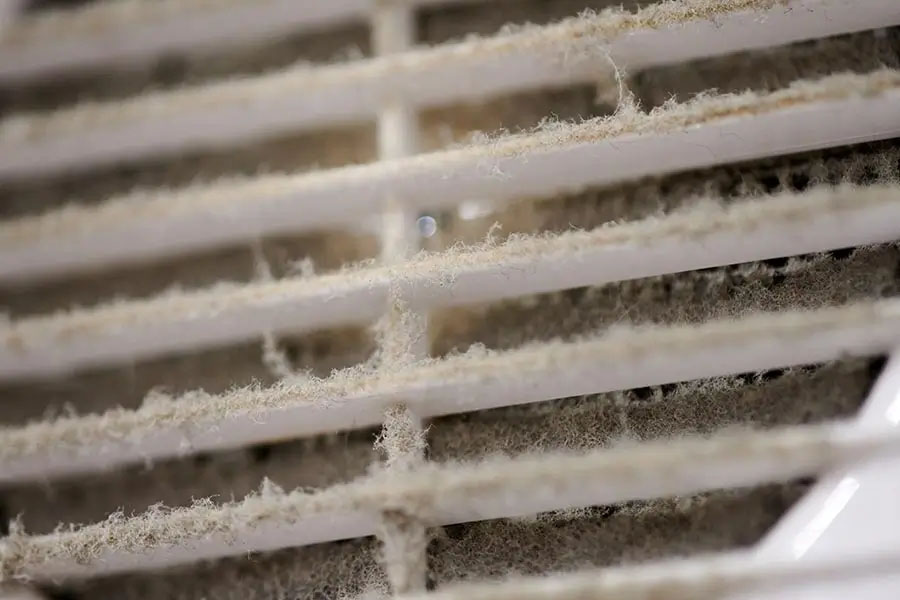
The air filter is the simplest and most frequently overlooked component in any forced-air heating system. Its job is to capture dust, debris, and airborne particles before they coat the blower, heat exchanger, and other internal components. When the filter becomes clogged, airflow through the system is restricted, and the consequences affect every part of the heating process.
A restricted filter forces the blower to work harder to pull air through the system. The heat exchanger, which transfers heat from the combustion process to the air moving through the duct system, cannot shed heat effectively when airflow is limited. Over time, this causes the heat exchanger to overheat and cycle off on the high-limit switch, resulting in a system that produces short bursts of heat and then shuts down before the home reaches the set temperature.
In our service calls throughout the area, a clogged filter is among the first things a technician checks when a homeowner reports that their furnace is not keeping up. It is also the most preventable cause of heating performance loss. Checking the filter monthly during the heating season and replacing it when it shows visible buildup is the single most impactful maintenance habit a homeowner can develop.
2. Ignition or Pilot Light Problems
Modern furnaces use electronic ignition systems to light the burner. Older systems use a standing pilot light. In either case, a failure at the ignition stage means the burner never fires, and the system blows unconditioned air or shuts down entirely without producing any heat.
Electronic ignition systems can develop faults in the igniter itself, which glows to ignite the gas, or in the flame sensor, which confirms to the control board that the burner has successfully lit. A dirty or failing flame sensor is one of the more common causes of a furnace that starts, runs briefly, and then shuts off before the home warms up. The sensor reads the flame incorrectly and signals the control board to shut the system down as a safety precaution.
Standing pilot systems can experience draft-related outages, thermocouple failures, or gas supply issues that extinguish the pilot flame. In either system type, ignition problems are not something to work around. A furnace that is attempting to ignite without successfully lighting is releasing gas that is not being burned, which is a safety concern that requires professional attention.
Scheduling heating repair at the first sign of ignition problems prevents the situation from developing into a no-heat emergency on a sub-zero January night in Decatur County.
3. A Failing or Dirty Blower Motor
The blower motor is responsible for moving conditioned air from the furnace through the duct system and into the living spaces of the home. When the blower is underperforming, the heat produced at the furnace never reaches the rooms that need it. The furnace may be functioning correctly in terms of combustion, but the distribution side of the system is failing to deliver.
Blower performance declines for several reasons. The blower wheel, which spins to move air, accumulates dust and debris over years of operation. As buildup increases, the wheel becomes unbalanced and less efficient, moving less air with each rotation while the motor works harder to compensate. The motor bearings themselves wear over time and eventually create enough friction to reduce output and generate heat that shortens the motor’s remaining life.
Working in homes across the region, blower-related heating complaints are most common in systems that have not received regular maintenance. A thorough cleaning of the blower assembly and inspection of the motor bearings during an annual heating maintenance visit catches these issues before they result in a complete blower failure.
4. Duct Leakage and Distribution Problems
A heating system can be functioning perfectly at the furnace and still fail to heat the home adequately if the duct system is losing conditioned air before it reaches its destination. Duct leakage is a significant and frequently underestimated contributor to heating performance problems, particularly in older Woodbury homes where ductwork may have been in place for decades without inspection.
Joints and connections in duct systems loosen over time with thermal expansion and contraction. Flexible duct sections can become kinked, collapsed, or disconnected entirely. Ducts running through unconditioned spaces like attics, crawlspaces, and unheated basements lose heat through the duct walls if they are not adequately insulated, delivering air that is significantly cooler than what left the furnace.
The result is a home where the furnace runs longer than it should, energy bills are higher than they need to be, and certain rooms never reach a comfortable temperature no matter how long the system operates. A duct inspection that includes pressure testing and airflow measurement at each register identifies where losses are occurring and what is needed to correct them.
5. Thermostat Calibration and Communication Issues
The thermostat is the command center for the entire heating system. When it is reading temperatures inaccurately or communicating intermittently with the furnace, the system cannot respond correctly to the actual conditions in the home. A thermostat that reads two or three degrees warmer than the actual room temperature will shut the system down before adequate heat has been delivered. One that reads cooler than actual conditions will keep the system running longer than necessary.
Beyond calibration, thermostats can develop wiring faults, battery issues, and compatibility problems with the heating equipment they control. Smart thermostats that were not properly configured during installation can run schedules or modes that work against the heating goals of the household.
In our service calls throughout Decatur County, thermostat-related heating complaints are often misidentified as furnace problems because the symptoms look similar from the homeowner’s perspective. A technician can test the thermostat’s accuracy, verify its wiring and communication with the furnace, and determine whether the issue is in the thermostat or in the equipment it controls.
6. Heat Exchanger Deterioration
The heat exchanger is one of the most critical and most serious components to monitor in a gas furnace. It is the barrier between the combustion gases produced by the burner and the air circulated through your home’s living spaces. When the heat exchanger develops cracks or holes, combustion byproducts including carbon monoxide can enter the air supply, creating a health hazard that has no visible warning signs.
Heat exchanger deterioration is caused by years of thermal stress from repeated heating and cooling cycles, accelerated by operating conditions that cause overheating. A system that has been running with a clogged filter, restricted airflow, or an oversized burner is at elevated risk for heat exchanger damage because those conditions cause the component to exceed its intended operating temperatures on a regular basis.
A cracked heat exchanger does not always produce visible symptoms that a homeowner would recognize. Headaches, dizziness, and fatigue that improve when occupants leave the home can be indicators of carbon monoxide exposure, but in many cases there are no physical symptoms until the exposure has reached dangerous levels. This is why working carbon monoxide detectors are essential in any home with gas heating equipment and why annual furnace inspections that include a heat exchanger assessment are not optional maintenance for Woodbury homeowners.
If a technician identifies a cracked heat exchanger during a service call, the furnace should not be operated until the exchanger has been replaced or the system has been replaced entirely. This is not a repair to defer.
The Pattern Behind Heating Performance Problems
What these six problems share is that most of them develop gradually and become most dangerous or most costly when they are ignored longest. A dirty filter allowed to progress causes blower and heat exchanger damage. An ignition issue deferred leads to a no-heat emergency. A cracked heat exchanger operated without repair creates a carbon monoxide risk.
Scheduling professional heating system maintenance before the heating season begins is the most reliable way to identify any of these issues while they are still manageable. A thorough inspection covers every component described above and gives you an honest picture of your system’s current condition and what it needs heading into winter.
For Woodbury homeowners who want to go into the cold months with confidence in their heating equipment, a pre-season service visit is time and money well spent.
Keeping Your Woodbury Home Warm All Winter
Heating system problems rarely resolve on their own, and the ones that go unaddressed through a season almost always become more expensive to fix at the end of it than they would have been at the beginning. The patterns described above are consistent across the homes we serve, and the outcome for homeowners who address them early is consistently better than for those who wait.
At Complete Comfort Heating, Air & Plumbing, our technicians are experienced with the full range of residential heating systems and bring the same thoroughness to every service call whether it is a routine maintenance visit or a diagnostic for a system that is struggling. We offer 24/7 emergency service, honest assessments, and repairs backed by our commitment to getting the job done right the first time.
If your heating system is showing any of the signs described above or you want to make sure it is ready for a Decatur County winter, contact our team today to schedule a visit and protect the comfort and safety of your home.