
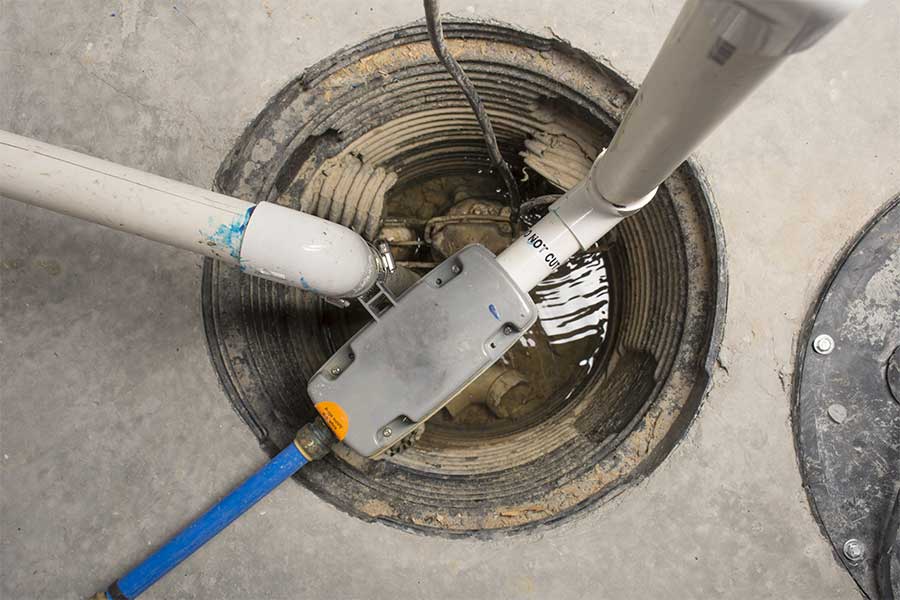
Sump pump odors in Alfont, IN homes usually come from stagnant water in the pit, bacteria feeding on debris, a dry floor drain trap letting sewer gas escape, or an unsealed pit lid. A rotten egg smell often signals hydrogen sulfide, and a plumber can clean, seal, and inspect the system to stop it.
Alfont is an unincorporated community in Green Township, Madison County, and homes with basements here depend on sump pits to move groundwater away from the foundation. Our team providing sump pump repair and replacement explains what each type of odor means and how professionals solve it.
Key Takeaways
- Sump pump odors in Alfont, IN homes usually come from stagnant water, bacteria, debris, dry drain traps, or an unsealed pit lid.
- A rotten egg smell from a sump pit often comes from hydrogen sulfide, a gas the CDC says smells like rotten eggs.
- A seldom used basement floor drain can dry out and let sewer gas into the home.
- A sealed, airtight sump pit lid helps keep odors and moisture out of the basement.
- A sump pump that rarely cycles leaves water sitting in the pit long enough to develop odors.
What Does a Rotten Egg Smell From a Sump Pit Mean?
A rotten egg smell from a sump pit usually means hydrogen sulfide gas is present. Hydrogen sulfide forms when bacteria break down organic material in standing water with little oxygen, which is exactly the condition inside a pit that sits still for weeks.
According to the CDC’s Agency for Toxic Substances and Disease Registry, hydrogen sulfide is a colorless gas that smells like rotten eggs and is often called sewer gas. The agency notes the odor is noticeable at very low levels. A faint smell near the pit is usually a maintenance issue, but a strong or spreading odor deserves a prompt professional inspection.
What Causes Sump Pump Odors?
Sump pump odors are caused by water, debris, or gas that has nowhere to go. Most smells trace back to one of a handful of conditions, and more than one can happen at the same time.
These are the most common causes plumbers find:
- Stagnant water: A pit that holds water without the pump cycling becomes a breeding ground for odor causing bacteria.
- Organic debris: Leaves, soil, and silt that wash into the pit break down and produce smells.
- Dry floor drain traps: A trap is the curved section of pipe that holds water to block sewer gas, and it can evaporate in a seldom used basement drain.
- An unsealed lid: An open or loose pit cover lets odors and humidity spread through the basement.
- A failing check valve: A check valve stops pumped water from flowing back into the pit, and a worn one lets dirty water return.
- Plumbing connected to the wrong system: A washing machine or other drain discharging into the sump pit adds soap, lint, and organic matter.
Is It a Sump Pit or a Sewage Ejector Pit?
Telling a sump pit apart from a sewage ejector pit matters because the cause and fix are different. A sump pit collects groundwater from around the foundation, while a sewage ejector pit collects waste from basement bathrooms or laundry and pumps it up to the main sewer line.
A sewage ejector pit should always have a sealed, vented lid, and a strong sewage smell from one often points to a seal, vent, or pump problem. Groundwater sump pits should not smell like sewage at all. If you are unsure which type of pit your home has, a plumber can identify it during a visit.
How Professionals Fix Sump Pump Odors
Professionals fix sump pump odors by removing the source, sealing the pit, and confirming the pump and plumbing work correctly. Masking the smell with fragrances only hides a problem that usually gets worse.
A professional visit for sump pump odors typically follows these steps:
- Inspection: We identify the pit type, check the lid, and look for debris, standing water, and signs of backflow.
- Cleaning: We remove silt, sludge, and debris from the pit and clean the pump intake.
- Pump and valve testing: We run the pump through a full cycle and confirm the check valve holds.
- Sealing: We install or reseal an airtight lid where appropriate.
- Drain review: We check nearby floor drains and plumbing connections for dry traps or improper discharge.
Our plumbing repair team covers each of these steps. When odors trace back to slow or blocked basement drains, professional drain cleaning clears buildup that holds odor causing debris.
When Sewer Gas Is Coming From Somewhere Else
Sewer gas that seems to come from the sump area sometimes starts in a different part of the plumbing system. A cracked drain line, a damaged vent, or a failing seal near the basement can all release odors that settle around the pit.
A sewer camera inspection lets a plumber see inside drain and sewer lines without digging. A small waterproof camera travels through the pipe and shows cracks, separations, or blockages that explain an odor no amount of pit cleaning can fix.
Why Alfont Area Homes Deal With Sump Pit Smells
Alfont area homes deal with sump pit smells because basement drainage systems sit unused for long stretches between wet seasons. Water that collects during spring rains and then stops flowing gives bacteria time to work.
Working in homes around Alfont and nearby Fortville and Ingalls, we often find odor problems in basements that are mostly used for storage, where floor drains rarely see water. The community grew up around an early mill on Lick Creek, and because every property’s basement and drainage setup is different, the cause of an odor in one home is not always the same as the one next door.
Frequently Asked Questions About Sump Pump Odors in Alfont
Is a sump pump smell dangerous?
A faint sump pit smell is usually a nuisance rather than an emergency, but a strong rotten egg or sewage odor should be inspected promptly. If you notice headaches or eye irritation along with the smell, ventilate the area and call a plumber.
Should a sump pit always have water in it?
A small amount of water in a sump pit is normal, especially after rain. Water that sits at the same level for weeks without the pump cycling can develop odors and should be checked.
How do I stop sewer gas from a basement floor drain?
Pouring water into a seldom used floor drain refills the trap and blocks sewer gas, which is a safe step any homeowner can take. If the smell returns quickly, the trap or drain line may need professional repair.
Does a sump pump need a sealed lid?
Yes, a sealed lid is recommended for most sump pits because it keeps odors, humidity, and debris out of the basement. A sealed lid also keeps children and pets away from the pit.
Can a sump pump smell like sewage?
A groundwater sump pit should not smell like sewage. A sewage odor often points to a sewage ejector pit issue, a dry floor drain trap, or a cracked drain line nearby.
Keeping Alfont Basements Fresh and Dry
Sump pump odors in Alfont homes almost always have a fixable cause, from stagnant water and debris to dry traps and unsealed lids. A professional inspection finds the source so the smell stays gone.
Complete Comfort Heating, A/C & Plumbing Repair helps Madison County homeowners keep their basements dry and odor free, with 24/7 emergency service and fast, dependable solutions. If your sump pit has started to smell, schedule your plumbing service today and let our team track down the cause.