

A furnace startup checklist for Fishers, IN homes covers seven steps: replace the air filter, test the thermostat, clear the area around the furnace, open every vent, test carbon monoxide alarms, run a test cycle, and schedule a professional tune-up. Finishing all seven before the first hard freeze prevents most no-heat calls.
Fishers homeowners usually switch from cooling to heating within a few weeks in the fall, and that quick changeover is when hidden furnace problems surface. Our team handling furnace repair in Fishers put together this checklist so you know what to handle yourself and when to bring in a technician.
Key Takeaways
- A Fishers furnace startup checklist has seven steps, from replacing the air filter to scheduling a professional tune-up.
- National Weather Service data puts the normal first 32 degree freeze at Indianapolis International Airport around October 26.
- The U.S. Consumer Product Safety Commission recommends annual inspection and service of home heating systems by a trained technician.
- A light dusty smell during the first heating cycle of the season is common and should fade quickly.
- Persistent burning odors, loud noises, or repeated shutdowns during a test run call for a professional inspection.
1. Replace the Air Filter
Replacing the air filter is the first startup step because a clogged filter restricts airflow from the very first heating cycle. An air filter is the removable panel near the furnace blower that traps dust before air moves through the system.
A filter that worked hard all summer during the air conditioning season is often loaded with dust by fall. Starting the heating season with a fresh filter protects the blower motor and keeps the heat exchanger from running hotter than it should. Check the filter size printed on the frame of the old one and match it exactly.
2. Test the Thermostat Before You Need It
Testing the thermostat confirms the furnace will respond on the first cold night. Switch the thermostat from cool to heat, set it a few degrees above the current room temperature, and listen for the furnace to start within a few minutes.
If the screen is blank or the furnace does not respond, replace the thermostat batteries and check that the furnace breaker has not tripped. Older manual thermostats are also worth reconsidering at this point. A smart thermostat installation lets you set schedules from your phone and adjust heat when plans change.
3. Clear the Space Around the Furnace
Clearing the furnace area reduces fire risk and gives the system the combustion air it needs. A gas furnace pulls in air to burn fuel, and boxes, laundry, or stored items crowded around it can block that supply.
Basements and utility closets tend to collect storage over the summer. Move anything flammable, including paint, cleaning products, and holiday decorations, well away from the furnace and water heater. Keep the furnace door panel firmly in place, since many furnaces include a safety switch that prevents operation when the panel is loose.
4. Open and Unblock Every Supply and Return Vent
Opening every vent keeps air moving through the system the way it was designed to. Supply vents deliver heated air to each room, and return vents pull air back to the furnace for reheating.
Furniture, rugs, and closed vent covers often block registers after summer rearranging. Closing vents in unused rooms may seem like a way to save energy, but it raises pressure in the ductwork and makes the blower work harder. Walk through every room, including basements and bonus rooms, and confirm each register is open and clear.
5. Test Your Carbon Monoxide Alarms
Testing carbon monoxide alarms is a critical startup step because a gas furnace produces carbon monoxide as part of combustion. Carbon monoxide is an odorless, colorless gas that can build up indoors when a heating system is damaged or poorly vented.
The U.S. Consumer Product Safety Commission recommends installing battery-operated CO alarms or alarms with battery backup on every level of the home and outside sleeping areas. Press the test button on each alarm, replace batteries, and check the manufacture date printed on the back so you know when the unit is due for replacement.
6. Run a Test Cycle and Watch for Warning Signs
Running a full test cycle during a mild fall day lets you spot problems before a cold night does. Turn the heat up, let the furnace run for a complete cycle, and pay attention to how it sounds, smells, and performs.
A faint dusty smell during the first run is common because dust settles on the burners and heat exchanger over the summer. These signs during a test run are not normal and call for a technician:
- Burning or electrical odors: A smell that lingers well after startup can point to an overheating component.
- Loud bangs, squeals, or grinding: New or loud noises often mean delayed ignition or a failing blower part.
- Cool air from the vents: Air that never warms up suggests an ignition, gas supply, or airflow problem.
- Short cycling: A furnace that starts and stops every few minutes may be overheating or misreading the thermostat.
- A yellow or flickering burner flame: A healthy gas flame is typically steady and blue.
If you ever smell gas, leave the home immediately and call your gas utility from outside.
7. Schedule a Professional Tune-Up Before the First Freeze
Scheduling a professional tune-up is the step homeowners skip most often, and it is the one that catches problems the other six cannot. A technician inspects the heat exchanger, burners, gas pressure, flame sensor, and safety controls, which are areas homeowners should not open or adjust.
Timing matters in central Indiana. National Weather Service data puts the normal first 32 degree freeze at Indianapolis International Airport around October 26, with the first hard freeze of 28 degrees arriving around early November. Once cold weather settles in, HVAC schedules fill quickly with emergency calls. Booking a professional furnace tune-up in early fall avoids the rush, and if the first freeze has already passed, a visit before the deep cold of December still pays off.
Why Fishers Homes Benefit From a Fall Startup Routine
Fishers homes benefit from a fall startup routine because so much of the city’s housing was built during a rapid growth period, which means many furnaces are reaching the same age at the same time. According to the City of Fishers, the population grew from 7,187 in 1990 to 78,651 in 2010.
Based on what we see in Fishers properties, furnaces installed during that building boom are now old enough that parts like igniters, flame sensors, and blower motors start wearing out. The same holds in neighborhoods around Geist Reservoir and in Saxony along the Fishers and Noblesville border, where many homes have similar construction dates and similar equipment. A consistent fall routine catches that wear before it turns into a midwinter breakdown. If you are comparing companies for that work, our guide to choosing a trusted HVAC contractor in Fishers covers what to look for.
Frequently Asked Questions About Furnace Startup in Fishers
Is it normal for a furnace to smell when first turned on?
Yes, a light dusty smell is normal the first time a furnace runs each fall. Dust that settled on the burners over the summer burns off quickly. A smell that lingers, grows stronger, or smells electrical needs a professional inspection.
What should I do if my furnace does not turn on for the season?
Start by checking the thermostat settings and batteries, then confirm the furnace breaker is on and the door panel is secure. If the furnace still will not start, call a technician rather than opening the unit or resetting internal controls.
How early should I turn on my furnace in the fall?
Turn on your furnace for a test run on a mild day in early fall, before you actually need heat. Testing early gives you time to schedule a repair while appointment times are still flexible.
Do I need a furnace tune-up if my furnace is only a few years old?
Yes, newer furnaces still benefit from an annual tune-up. Regular service keeps efficiency where it should be and builds the maintenance record many manufacturer warranties expect.
How often should I replace carbon monoxide alarms?
Replace carbon monoxide alarms according to the replacement date listed by the manufacturer, which is usually printed on the back of the unit. Many alarms also chirp or display an end-of-life warning when they need replacing.
Getting Your Fishers Furnace Ready for Winter
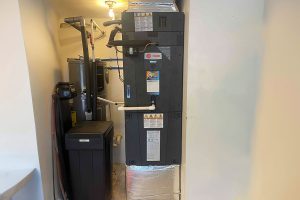
A complete furnace startup checklist for Fishers homes includes seven steps, and the most important one is a professional tune-up before cold weather settles in. Handling the simple steps yourself and leaving the inspection to a technician gives you the best chance of a trouble-free winter.
Complete Comfort Heating, A/C & Plumbing Repair helps Fishers homeowners start every heating season with a safe, efficient furnace, backed by highly trained technicians and 24/7 emergency service. When your checklist is done, schedule your furnace tune-up and let our team handle the inspection.