
We're Hiring!



Columbus is a city that takes quality seriously, from its world-renowned architecture to the care its residents put into their homes. When a furnace starts underperforming in this part of Bartholomew County, Complete Comfort Heating, Air & Plumbing brings the same standard to the repair: thorough, honest, and done right the first time.
We serve Columbus homeowners with 24/7 furnace repair availability, because a heating failure during a January cold stretch along the East Fork of the White River does not accommodate a next-week appointment window.
Columbus winters arrive reliably and the heating season here runs long. A furnace that is starting to fail will almost always show warning signs before it stops working entirely. Here are the symptoms that should prompt you to schedule a service call.
Columbus homes span a wide range of construction eras, from downtown properties built before World War II to newer developments on the city’s edges. The age of your home and its heating system shapes which of these symptoms are most likely and what they point to, which is why an accurate diagnostic matters more than a quick fix.
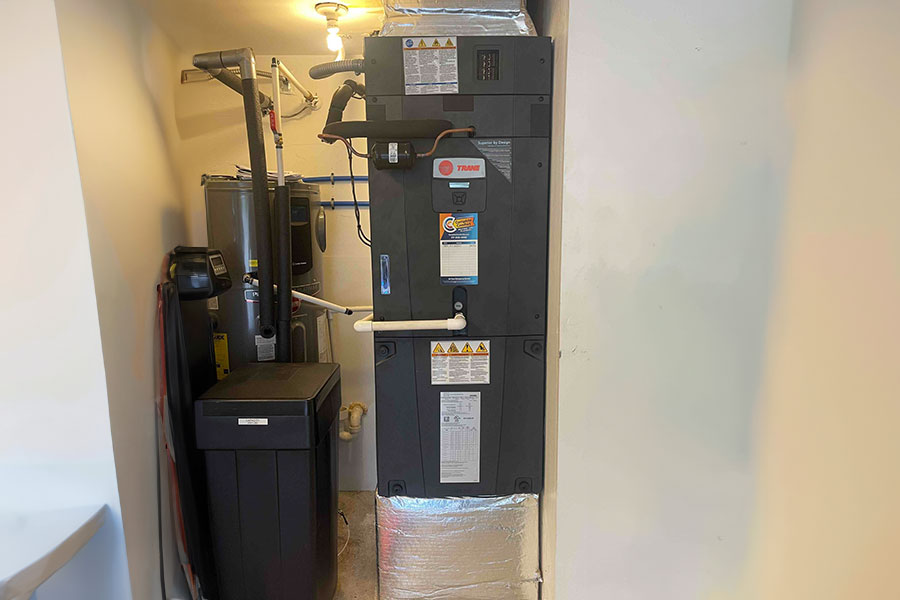
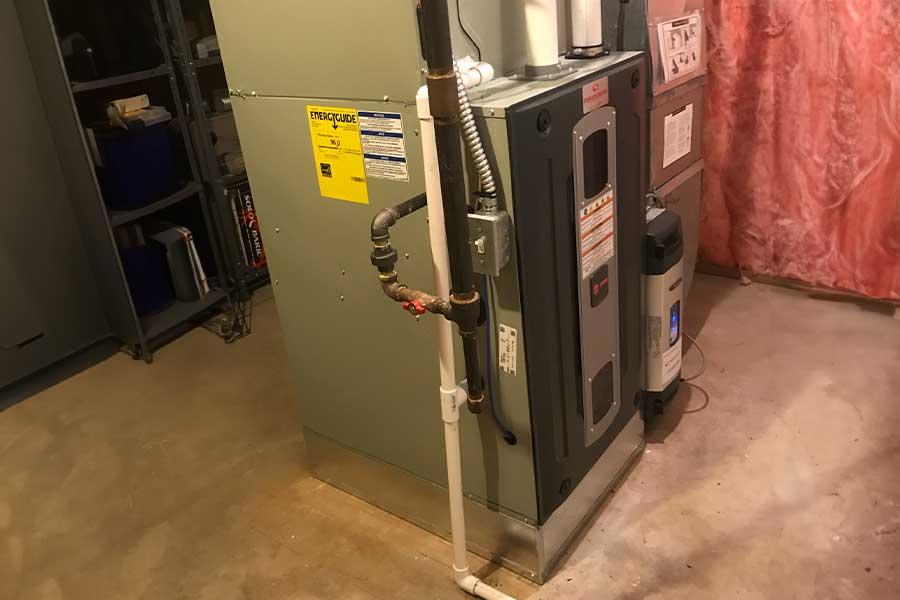
Columbus sits near the confluence of several small waterways and experiences a pronounced seasonal moisture cycle driven by spring flooding along the East Fork watershed and summer humidity that is well above the regional average for Indiana. For furnaces, that humidity level means mechanical spaces and basements in Columbus homes tend to hold more moisture than in drier communities, which accelerates corrosion on burner assemblies and creates conditions where flue connections can deteriorate faster than scheduled maintenance intervals would predict.
The range of housing ages in Columbus also means our technicians work across a wider span of furnace technology than in cities with more uniform construction eras. Older downtown homes may still have mid-efficiency systems with standing pilots or early-generation electronic ignition, while newer neighborhoods near the north and east sides of the city have high-efficiency systems approaching the age where secondary heat exchangers and condensate management components start to present issues. The diagnostic approach has to match the system, and our team brings experience with both ends of that spectrum.
Complete Comfort handles the full range of furnace repair needs for Columbus homeowners across all system types and ages. Every visit starts with a complete system evaluation and ends with a clear explanation of what was found, what was repaired, and what to watch for going forward. We do not hand you a quote before we understand the actual problem.
Our Columbus repair services include ignition system diagnostics and repair across all ignition types, heat exchanger inspection and combustion safety analysis, burner cleaning and gas pressure verification, inducer motor and draft switch testing, blower motor service and static pressure evaluation, flue and venting integrity inspection, control board and thermostat diagnostics, and condensate system service for high-efficiency units. Whatever your Columbus furnace needs, we have the tools and the training to address it correctly.
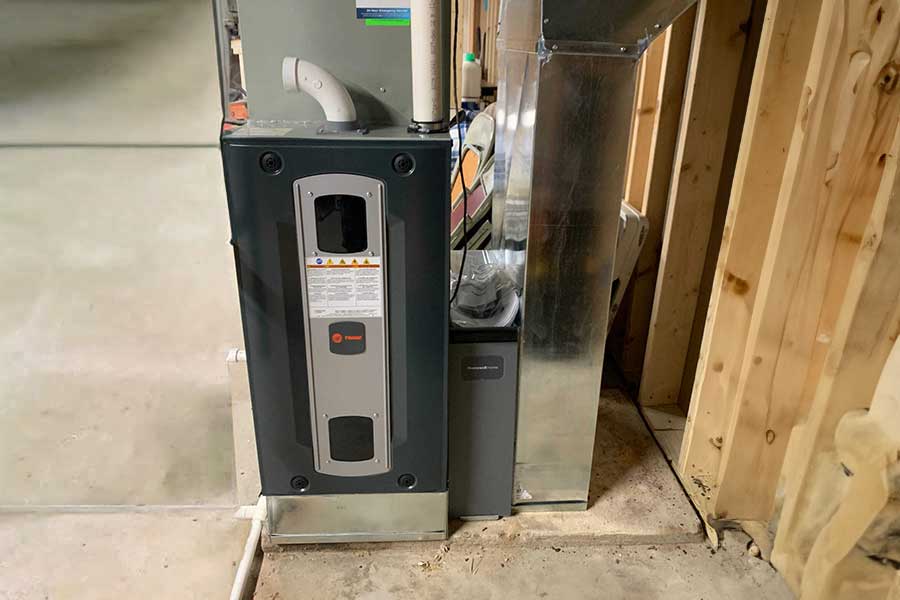
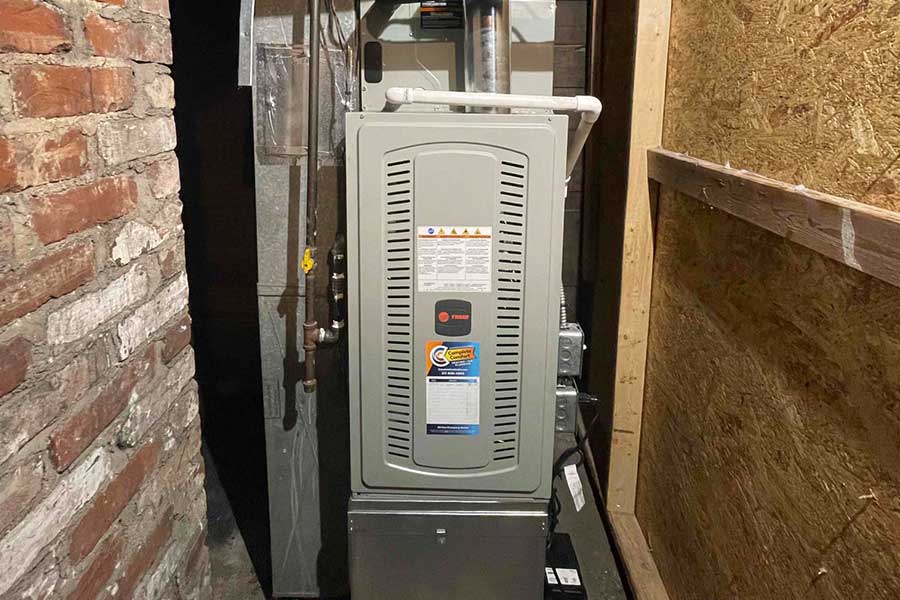
We got a call from a homeowner named Michael on a Thursday evening in mid-January after his furnace had gone into lockout three times over two days. The home was a 1970s split-level in one of Columbus’s established neighborhoods. Each time he reset the furnace it ran for a few hours before locking out again, and the house was starting to cool into the low sixties.
Our technician arrived and ran through a full diagnostic. The inducer motor was drawing higher amperage than its nameplate rating, indicating the motor windings were beginning to fail. As the motor ran hot, its performance would degrade enough to trigger the pressure switch safety, causing the lockout. The pattern of running for a few hours before locking out was consistent with a motor that performed adequately from a cold start but failed once it reached operating temperature and began to fatigue. We replaced the inducer motor assembly, verified proper draft and pressure switch response, and ran the system through a full evening of operation before leaving. Michael had heat back the same night and a furnace that did not require manual resets every few hours to function.
Columbus is a city that expects quality in everything, and we bring that same expectation to every furnace repair we complete here. Here is what you get from our team on every service call.
We are proud to serve Bartholomew County and committed to delivering complete comfort to every Columbus home we enter.

The inducer motor creates the draft needed to pull combustion air through the heat exchanger and push exhaust gases out through the flue before the main burners fire. When it fails or runs below its rated performance, a pressure switch detects the inadequate draft and prevents the burners from igniting as a safety measure. The result is a furnace that attempts to start but never produces heat, or one that runs briefly before shutting down.
Intermittent lockout that occurs after the furnace has been running for a while often points to a component that performs adequately from a cold start but fails as it reaches operating temperature. A motor with weakening windings, a heat exchanger that triggers the high-limit switch as it warms up, or a pressure switch with a marginal calibration can all present this pattern.
Homes in areas with higher ambient humidity and seasonal moisture exposure experience faster corrosion on furnace components than homes in drier environments. Burner ports, heat exchanger surfaces, and flue metal all deteriorate more quickly when exposed to elevated moisture over time. Annual inspection is particularly important in these conditions to catch corrosion before it progresses to a safety concern.
Mid-efficiency furnaces typically achieve around eighty percent efficiency, exhaust relatively warm gases through a metal flue, and use simpler combustion systems that have been around for decades. High-efficiency furnaces achieve ninety percent or above by extracting additional heat from exhaust gases through a secondary heat exchanger, which produces cooler, wetter exhaust that exits through PVC pipe and generates acidic condensate. Each type has different maintenance requirements and different failure patterns.
If your carbon monoxide detectors are functioning, your furnace is producing consistent heat, the burner flame is steady and blue, and you have not noticed any unusual smells or sounds, your system may be operating safely. However, heat exchanger cracks and partial combustion problems can exist without obvious symptoms. An annual professional inspection is the only reliable way to confirm combustion safety, particularly in furnaces that are more than ten years old.