
We're Hiring!



Brownstown is the heart of Jackson County, a close-knit community where most homes have seen a generation or two of family life and the furnaces inside them have often done the same. Complete Comfort Heating, Air & Plumbing brings dependable furnace repair to Brownstown homeowners with the kind of straightforward service this community has always valued: show up on time, find the real problem, and fix it right.
We offer 24/7 emergency heating service because Jackson County winters can turn severe quickly, and a furnace failure in this part of southern Indiana deserves an immediate response.
Furnaces in Brownstown’s older housing stock have often been operating for many years, and they tend to give clear signals before failing entirely. Knowing what to watch for gives homeowners the chance to address problems before they become emergencies in the middle of a cold stretch. Here are the warning signs that should prompt a call.
In a community like Brownstown where many homes have older heating systems with significant runtime on them, these signs deserve prompt attention. An honest assessment now is far better than an emergency call during a January cold snap.
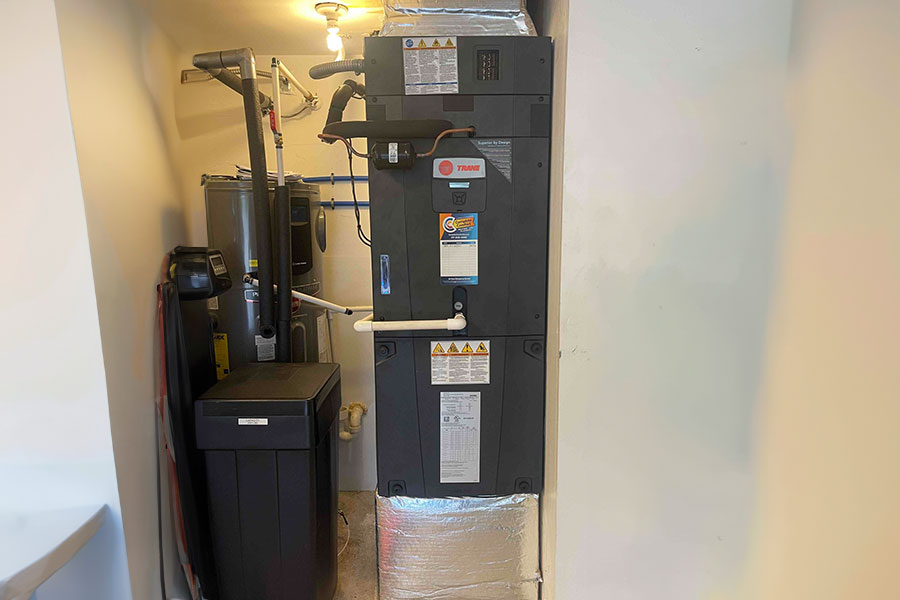
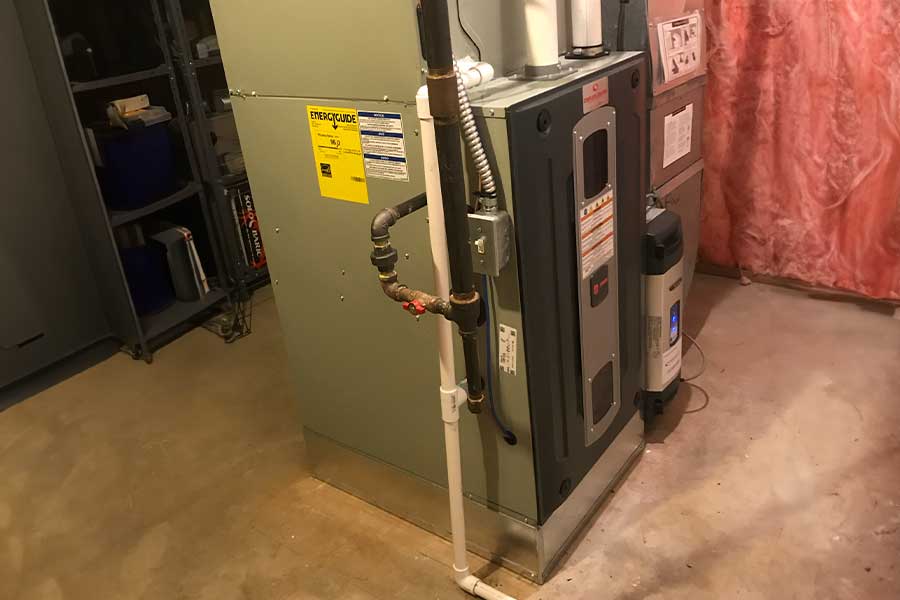
Jackson County’s rolling terrain and the Salt Creek watershed that runs near Brownstown create basement moisture conditions that affect furnace longevity in ways homeowners often do not anticipate. Older foundations in the area can allow humidity and seasonal groundwater migration into mechanical spaces, accelerating corrosion on burner components, heat exchangers, and flue connections. A furnace operating in a damp basement environment ages faster than its calendar years would suggest.
Most of Brownstown’s housing was built in the mid-twentieth century, which means furnaces have typically been replaced once or twice in the life of the home. The current generation of systems in many of these properties is now old enough to present heat exchanger fatigue, failing inducer motors, and ignition components that have simply exceeded their design life. Our technicians approach these systems with the patience and experience that older equipment requires, rather than defaulting to replacement before the diagnostic is complete.
Complete Comfort handles furnace repairs across all system types and ages for Brownstown and the surrounding Jackson County area. We bring the same diagnostic discipline to a thirty-year-old standing-pilot system as we do to a modern high-efficiency unit, because both deserve to be understood rather than guessed at before any parts are ordered.
Our repair services include burner and heat exchanger inspection, combustion safety analysis and carbon monoxide assessment, ignition system diagnostics and replacement, inducer motor and draft switch testing, blower motor service, gas valve evaluation, flue and venting inspection, and control board testing. For homes with older belt-drive blowers or standing pilot configurations that many newer technicians rarely encounter, our team has the hands-on familiarity to service them correctly.
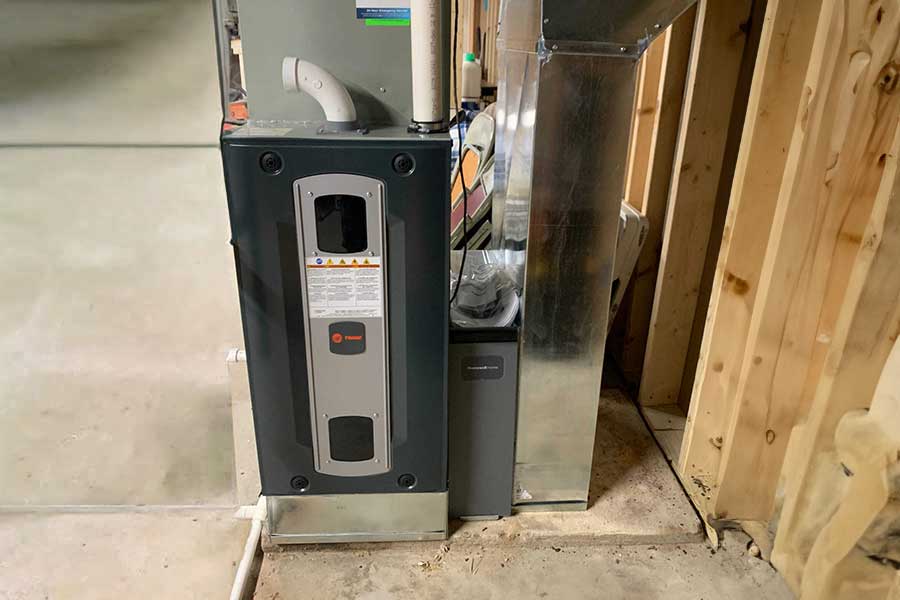
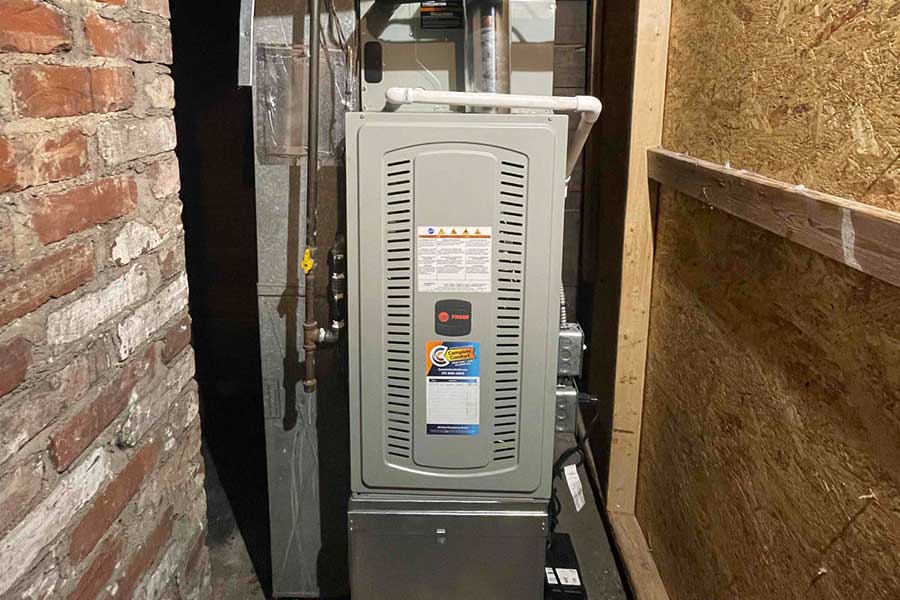
We got a call from a homeowner named Helen in early February after her furnace had been producing noticeably less heat than the previous winter, even though the system appeared to be running normally. The thermostat was set to sixty-eight, but the house was holding closer to sixty-two during cold afternoons. The furnace was about sixteen years old.
Our technician ran a combustion analysis first and found the burners were operating at reduced efficiency due to a buildup of corrosion scale on the burner ports, a direct result of the damp basement environment the furnace was sitting in. Cleaning the burners and inspecting the heat exchanger improved combustion output significantly. A secondary finding was a flue pipe joint that had developed a small separation at a seam, which was allowing a minor amount of exhaust to vent into the basement rather than outside. Both issues were addressed during the same visit. Helen noticed the difference in heat output that evening. Her furnace was not failing. It was dirty and venting incorrectly, and neither of those is a condition you want to leave in place.
In a community like Brownstown, a service company’s reputation is built call by call. We take that seriously and bring our full effort to every job. Here is what you get when you work with us.
We are proud to serve Brownstown and committed to the honest, thorough work that this community deserves.

Reduced heat output from a running furnace usually points to a combustion efficiency problem rather than a mechanical failure. Corroded or dirty burner ports, a partially blocked heat exchanger, or a flue restriction that reduces draft can all reduce the amount of heat the furnace extracts from combustion without causing the system to shut down entirely.
Moisture in the furnace’s operating environment accelerates corrosion on burner assemblies, heat exchangers, and flue connections. It can also affect the quality of combustion air drawn into the system. In areas prone to basement moisture, annual inspection of these components is especially important because deterioration happens faster than in a dry mechanical space.
A combustion analysis uses a calibrated instrument to measure the gases in the furnace’s exhaust stream, providing precise data on combustion efficiency and completeness. It can identify problems that are not visible during a standard inspection, including partial heat exchanger failures, burner imbalance, and excess carbon monoxide production. It is particularly valuable on older furnaces or systems that have not been serviced recently.
Yes. A separated or cracked flue joint allows combustion exhaust gases, including carbon monoxide, to vent into the mechanical space or living area rather than outside. The furnace can appear to function normally while this is occurring. Flue integrity should be checked annually as part of routine maintenance, especially in older homes where metal flue components have been through many years of thermal cycling.
The most impactful thing a homeowner can do is change the air filter regularly, typically monthly during heavy use periods. Keep the area around the furnace clear of stored items that can restrict airflow. Test your carbon monoxide detectors monthly and replace batteries annually. Beyond that, the safety-critical components of furnace maintenance should be handled by a licensed technician.