
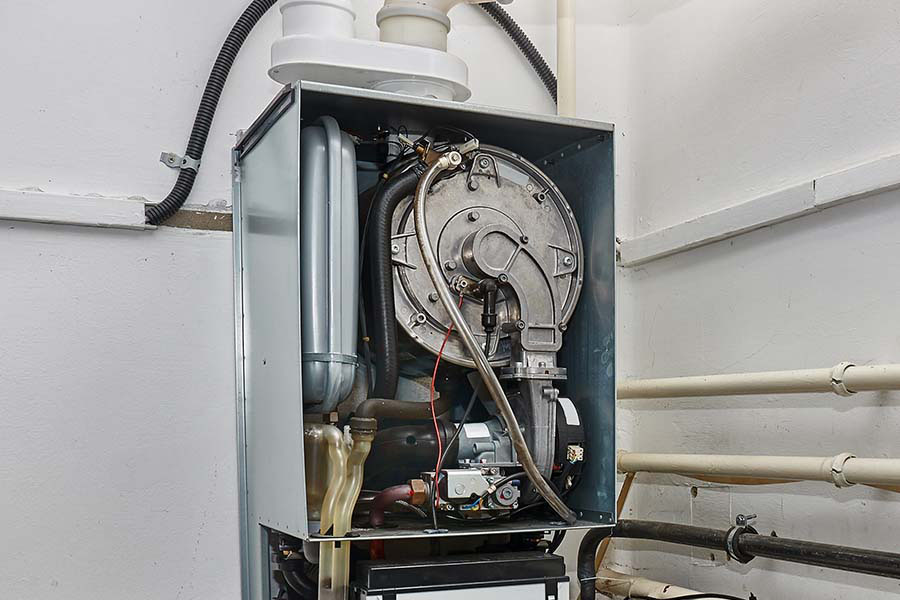
When troubleshooting boiler problems in your Brownsburg, IN, home, start by checking the power supply and thermostat settings to verify they’re correct. Next, examine the pressure gauge for ideal readings and look for any leaks or water accumulation. Don’t forget to assess the boiler pilot light for proper flame color. Finally, consider flushing the system for sediment and scheduling regular professional maintenance to keep everything running smoothly. There’s plenty more to explore on maintaining your boiler efficiently.
Check the Power Supply
Have you checked the power supply to your boiler? Start by verifying it’s plugged in and that the power outlet is functioning. If your boiler runs on electricity, any interruption can lead to issues.
Next, inspect the circuit breaker or fuse box; a tripped breaker or blown fuse can prevent your boiler from operating. If you find a problem, reset the breaker or replace the fuse as needed.
Also, check for any visible wiring damage. Frayed or loose wires can disrupt the electricity flow. If you notice anything unusual, it’s best to call a professional.
Finally, confirm your thermostat is set correctly, as this can also affect performance. By verifying the power supply is stable and functional, you’ve taken the first essential step in troubleshooting your boiler problems. Remember, having certified contractors for repairs is crucial for effective solutions.
If the issue persists, consider contacting Complete Comfort Heating, Air & Plumbing for expert assistance.
Inspect the Thermostat Settings
When troubleshooting your boiler, start by inspecting the thermostat settings.
Make sure the temperature is set correctly, the mode is selected properly, and the batteries are charged if your thermostat requires them.
A simple adjustment here can often resolve heating issues quickly. Additionally, if problems persist, consider consulting a professional for boiler repair services to ensure optimal performance.
Check Temperature Settings
How often do you check your thermostat settings? It’s vital to confirm they’re set correctly for your boiler to function properly.
First, make sure the temperature you’ve set matches your comfort level. If it’s too low, your home won’t warm up adequately.
Next, verify that the thermostat’s calibration is accurate; a miscalibrated thermostat can lead to inconsistent heating.
If you’ve recently changed the temperature, give the system some time to respond. Sometimes, it takes a bit for the boiler to adjust.
If you find the settings are correct but the temperature still isn’t right, it could indicate a deeper issue.
Regularly checking your thermostat settings can help prevent unnecessary boiler problems and maintain a cozy home.
Verify Mode Selection
After checking your thermostat settings, the next step is to verify the mode selection.
Make sure that your thermostat is set to the heating mode if you’re looking to warm up your home. Sometimes, it might accidentally switch to cooling or even off mode, which can leave you feeling chilly.
Take a moment to check if the system is set to “auto” or “on.” In “auto,” the boiler operates only when needed, while “on” keeps it running continuously.
If you find the mode isn’t correct, adjust it accordingly. Once you’ve made the change, wait a few minutes to see if the boiler responds.
If not, you may need to explore other potential issues further down the troubleshooting list.
Inspect Battery Level
Sometimes, the simplest solutions can make all the difference in troubleshooting your boiler. One vital step is inspecting the battery level of your thermostat. A low battery can lead to inaccurate readings or complete failure to communicate with your boiler.
Start by checking the thermostat display; if it’s dim or blank, it’s time to replace the batteries. Be certain to use the correct type and follow the manufacturer’s instructions.
After replacing the batteries, reset the thermostat settings to guarantee everything is functioning properly. If the boiler still doesn’t respond, you may need to explore other issues.
Examine the Pressure Gauge
The pressure gauge is an essential component of your boiler system, providing important information about its operational status. It indicates whether the pressure is within the recommended range, which typically falls between 1 and 2 bar for most residential boilers.
If the gauge reads too low, your boiler might struggle to heat your home effectively. Conversely, a high reading could signal potential issues that may lead to leaks or damage.
To examine the gauge, first, verify that the system is off for safety. Check the reading and note any fluctuations. If it’s outside the normal range, you’ll need to take action.
Low pressure might require you to add water to the system, while high pressure may necessitate bleeding radiators or calling a professional. Regularly monitoring your pressure gauge helps maintain your boiler’s efficiency and prolongs its lifespan, guaranteeing your home stays comfortable year-round. Additionally, addressing indoor air quality issues can further enhance your home’s overall comfort and health.
Look for Leaks or Water Accumulation
Checking the pressure gauge is just one part of guaranteeing your boiler operates smoothly.
After that, it’s vital to look for leaks or water accumulation, as these can indicate underlying issues.
Here’s what you should do:
- Inspect the Boiler: Look closely for any signs of water dripping from the boiler or pooling around it.
- Check the Pipes: Examine all visible pipes connected to the boiler for any wet spots or corrosion.
- Look at the Pressure Relief Valve: Verify it’s not leaking, as this could mean the pressure is too high.
- Monitor Your Floors: Keep an eye on the area around the boiler for any unexpected dampness; it could signal a leak.
If you find any leaks or persistent water accumulation, it’s important to contact a professional. Comprehensive plumbing repair services can help address these issues effectively.
Ignoring these signs can lead to more significant problems down the line.
Assess the Boiler Pilot Light
How can you ensure your boiler is functioning properly? One vital step is to assess the boiler pilot light.
Start by checking if the pilot light is lit. If it’s out, relight it following the manufacturer’s instructions. Confirm you’re using the correct method, as different boilers have specific guidelines. If the pilot light won’t stay lit, there may be an issue with the thermocouple or gas supply, which could require professional assistance.
Additionally, observe the color of the flame. A steady blue flame indicates proper combustion, while a yellow or orange flame suggests incomplete burning, warranting further investigation.
Regularly checking the pilot light can prevent more significant issues down the line. If you’re unsure or uncomfortable working with gas appliances, don’t hesitate to contact a qualified technician. Your safety is paramount, and getting expert help guarantees your boiler runs efficiently and reliably.
Flush the System for Sediment
After verifying your boiler’s pilot light is functioning properly, it’s important to address another common issue: sediment buildup in the system.
Over time, minerals and debris can accumulate, affecting efficiency and performance. Flushing the system helps restore peak function.
Here’s how to do it:
- Turn Off Power and Water Supply: Safety first! Switch off the power and shut off the water supply to your boiler.
- Attach a Hose: Connect a garden hose to the drain valve, directing the other end to a suitable drainage area.
- Open the Drain Valve: Slowly open the valve to release water and sediment. Let it flow until the water runs clear.
- Flush with Clean Water: Close the valve and refill the system with fresh water to verify all sediment is cleared out.
Schedule Professional Maintenance
Scheduling regular maintenance for your boiler is essential to guarantee it runs efficiently and safely.
An experienced technician can spot potential issues before they become major problems, saving you time and money.
With preventive maintenance plans, you can keep your system in top shape and enjoy peace of mind all year round.
Importance of Regular Maintenance
Regular maintenance is essential for ensuring your boiler operates efficiently and safely, as it can prevent larger issues down the line.
By keeping up with regular check-ups, you can enjoy several key benefits:
- Enhanced Efficiency: A well-maintained boiler runs more smoothly, which can lower your energy bills.
- Extended Lifespan: Regular servicing helps your boiler last longer, saving you money on replacements.
- Improved Safety: Maintenance checks can catch potential safety hazards before they become serious problems.
- Peace of Mind: Knowing your boiler is in good condition allows you to focus on other important aspects of your home.
Don’t wait for problems to arise—schedule your professional maintenance today for a more reliable heating system!
Experienced Technician Benefits
When you schedule professional maintenance with an experienced technician, you’re not just ensuring your boiler gets the care it needs; you’re also investing in your home’s safety and efficiency.
Skilled technicians quickly identify potential issues, preventing costly breakdowns. Their expertise means they can perform repairs accurately, reducing the risk of further damage. Plus, they’re equipped with the right tools and knowledge to handle complex systems.
You’ll also benefit from their insights on how to improve your boiler’s performance. This proactive approach helps extend your boiler’s lifespan, saving you money in the long run.
Ultimately, choosing seasoned professionals gives you peace of mind, knowing your boiler is in capable hands, allowing you to focus on what truly matters.
Preventive Maintenance Plans
Keeping your boiler running efficiently doesn’t stop at repairs; it involves a commitment to preventive maintenance. Scheduling regular maintenance not only extends the life of your boiler but also enhances its performance and safety.
Here are four key benefits of a preventive maintenance plan:
- Identifies Issues Early: Regular check-ups catch small problems before they escalate into costly repairs.
- Improves Efficiency: A well-maintained boiler operates more efficiently, potentially lowering your energy bills.
- Ensures Safety: Routine inspections help detect hazards like gas leaks or carbon monoxide risks.
- Peace of Mind: Knowing your boiler is in top shape gives you confidence in its reliability.
Consider working with Complete Comfort Heating, Air & Plumbing to create a tailored maintenance plan that suits your needs.

Conclusion
As winter settles in, you can guarantee your home remains a warm refuge by following these troubleshooting steps for your boiler. Picture yourself enjoying a cozy evening, wrapped in a blanket with a warm mug in hand, knowing you’ve tackled potential issues head-on. If problems persist, don’t hesitate to reach out to Complete Comfort Heating, Air & Plumbing. They’ll help restore that comforting warmth, transforming your home into the perfect winter sanctuary.