
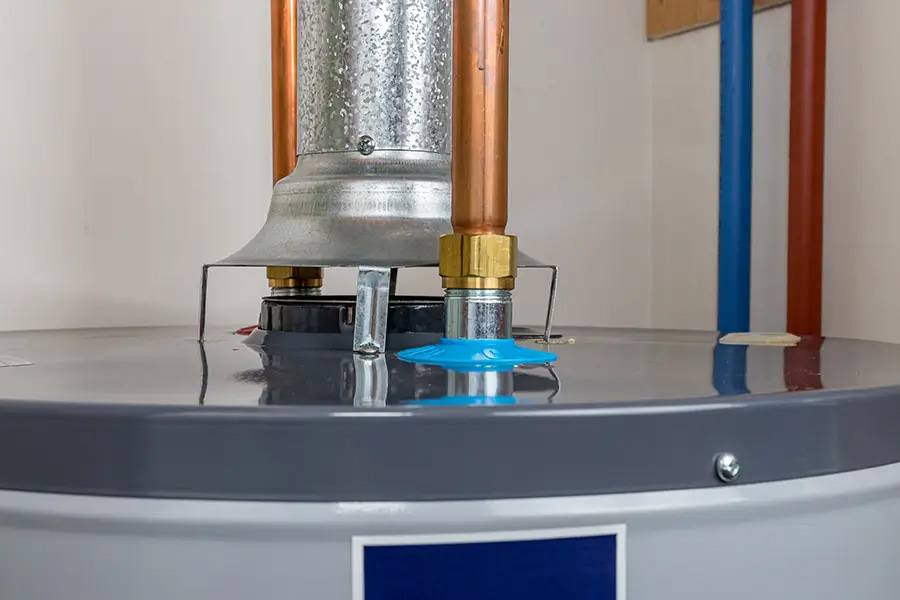
To keep your water heater running longer in Bloomington, IN, prioritize regular maintenance and inspections. Adjust the temperature setting between 120°F and 140°F for efficiency. Flush the tank periodically to remove sediment buildup. Insulate your heater to minimize heat loss and improve performance. Check for leaks and corrosion regularly. Consider installing a water softener to protect against mineral buildup. Finally, replace anode rods as needed to prevent corrosion. Learn more tips for ideal care and performance.
Regular Maintenance and Inspections
When you prioritize regular maintenance and inspections for your water heater, you can prevent costly repairs and guarantee its efficiency.
Scheduling routine check-ups allows you to catch minor issues before they escalate into major problems. During these inspections, qualified technicians can assess the unit’s performance, check for leaks, and flush out sediment buildup that can hinder efficiency.
It’s also crucial to inspect the pressure relief valve and verify it’s functioning correctly, as this protects against dangerous pressure buildup. By choosing a company with a commitment to finding the perfect hot water heater solutions, you ensure that your unit receives the best care possible.
By taking a proactive approach, you not only extend the lifespan of your water heater but also enhance its performance, ultimately saving you money on energy bills.
Partnering with a trusted company like Complete Comfort Heating, Air & Plumbing can make this process seamless.
Their expert technicians will make sure your water heater gets the attention it needs, giving you peace of mind knowing your system is in good hands.
Adjust the Temperature Setting
Adjusting your water heater’s temperature setting can make a big difference in both comfort and energy efficiency.
Keeping it within the ideal range not only guarantees hot water is available when you need it but also helps lower your energy bills. Regular maintenance, such as routine plumbing maintenance plans, can further enhance your water heater’s performance and longevity.
Let’s explore how a simple adjustment can benefit you and your home.
Optimal Temperature Range
Setting your water heater to the ideal temperature range, typically between 120°F and 140°F, not only enhances comfort but also improves energy efficiency.
Keeping it at 120°F is often sufficient for most household needs, guaranteeing you won’t scald yourself while still getting hot water when you need it.
If you have a dishwasher or laundry that requires higher temperatures, consider adjusting to 130°F or 140°F for those specific uses.
Regularly check your thermostat to verify it’s accurate, as even a few degrees can make a difference.
By maintaining this preferred range, you’ll extend the lifespan of your water heater and reduce wear and tear.
Plus, you’ll enjoy consistent hot water without unnecessary energy consumption.
Energy Efficiency Benefits
Reducing your water heater’s temperature can lead to significant energy savings. By setting it to around 120°F, you not only enjoy ample hot water but also decrease energy consumption.
This simple adjustment can cut your water heating costs by 6% to 10% for every 10°F you lower the temperature. You’ll also reduce the risk of scalding and extend the life of your heater, saving you money on repairs and replacements.
Plus, lower temperatures minimize mineral buildup, ensuring your system runs efficiently. So, take a moment to adjust that thermostat—your wallet and the environment will thank you!
For expert assistance in maintaining ideal settings, consider reaching out to Complete Comfort Heating, Air & Plumbing.
Flush the Tank Periodically
While you may not think about it often, flushing your water heater tank periodically is vital for maintaining its efficiency and longevity. Over time, sediment and mineral buildup can accumulate at the bottom of the tank, leading to reduced heating efficiency and potential damage.
By flushing the tank, you remove this buildup, allowing your water heater to operate more efficiently and extend its lifespan.
To flush your tank, start by turning off the power or gas supply and closing the cold water inlet valve. Connect a garden hose to the drain valve, directing the other end to a suitable drainage area.
Open the drain valve and let the water flow out until it runs clear. Once done, close the drain valve, remove the hose, and refill the tank by reopening the cold water inlet.
Regularly flushing your tank, ideally once a year, guarantees your water heater remains in peak condition. Additionally, maintaining drinking water quality is essential for overall household health and safety.
Insulate Your Water Heater
Insulating your water heater can greatly improve its efficiency and lower your energy bills. By adding insulation, you minimize heat loss from the tank and pipes, which means your heater won’t have to work as hard to maintain the desired temperature.
This not only helps you save money but also extends the lifespan of your unit. Additionally, keeping your water heater insulated can help maintain indoor air quality throughout your home by reducing the workload on your heating system.
You can easily insulate your water heater with a specially designed blanket or jacket. Just make certain to choose the right size and material for your model.
Don’t forget to insulate the first few feet of the hot and cold water pipes as well.
Before you start, check your heater’s manufacturer guidelines to verify you’re following safety recommendations.
Check for Leaks and Corrosion
After confirming your water heater is well-insulated, it’s important to check for leaks and corrosion. Regular inspections can save you from costly repairs down the line.
Start by examining the area around your water heater for any signs of moisture or pooling water. If you notice any leaks, it’s vital to address them immediately, as they can lead to more significant issues.
Next, inspect the tank for any signs of rust or corrosion. Look particularly at the inlet and outlet pipes, as well as the tank itself. If you see flaking paint or a rusty surface, it may be time to consult a professional.
Regularly checking these areas helps maintain your water heater’s efficiency and extends its lifespan. If you’re uncertain about what to look for, calling an expert can guarantee your system stays in top shape.
Install a Water Softener
If you want to enhance your water heater’s performance and lifespan, installing a water softener is a smart choice. Hard water contains minerals like calcium and magnesium that can cause scale buildup in your water heater. This buildup reduces efficiency and can lead to costly repairs or premature replacement. By installing a water softener, you treat your water supply, reducing these minerals and preventing scale formation.
You’ll notice the benefits not just in your water heater but throughout your home. Softer water leads to better soap lathering, cleaner dishes, and softer skin.
Plus, it can extend the life of your plumbing fixtures and appliances.
Working with a professional, like Complete Comfort Heating, Air & Plumbing, guarantees you choose the right system for your needs. They’ll help you with installation, maintenance, and any questions you have about keeping your water softener running smoothly.
Enjoy the long-term benefits of softened water!
Replace Anode Rods as Needed
Anode rods play an essential role in protecting your water heater from corrosion.
If you notice rust or a metallic smell in your water, it might be time to check the anode rod for wear.
Replacing it’s a straightforward process that can extend the life of your water heater considerably.
Importance of Anode Rods
Every water heater has an essential component that plays a significant role in its longevity: the anode rod. This rod, typically made of magnesium or aluminum, protects your tank from corrosion by attracting harmful elements in the water.
Without a functioning anode rod, your tank can corrode quickly, leading to leaks and expensive repairs.
You should check the anode rod regularly and replace it as needed to guarantee maximum performance.
By doing so, you’re not just extending the life of your water heater; you’re also saving money in the long run.
Investing in a new anode rod is a small price to pay for peace of mind and a reliable hot water supply.
Don’t neglect this essential part of your water heater maintenance!
Signs of Wear
Sometimes, homeowners overlook the signs that indicate it’s time to replace an anode rod. Ignoring these signs can lead to significant water heater issues.
Here are four signs to watch for:
- Rusty Water: If the hot water coming from your tap appears rusty, it might mean your anode rod is failing.
- Unusual Odors: A sulfur-like smell can signal corrosion in your water heater, often linked to a worn anode rod.
- Frequent Repairs: If you’re constantly calling for repairs, your anode rod may not be protecting the tank as it should.
- Age of the Rod: If your anode rod is over five years old, it’s wise to have it inspected and possibly replaced.
Stay vigilant to keep your water heater running smoothly!
Replacement Process Steps
When it’s time to replace anode rods, following a clear process can guarantee your water heater continues to function effectively.
First, turn off the power and water supply to your unit. Then, locate the anode rod; it’s usually found on the top of the tank. Use a socket wrench to unscrew it carefully.
Once removed, check its condition; a heavily corroded rod means it’s time for a replacement. Install the new anode rod by threading it back into place, ensuring a snug fit.
Finally, turn the water supply back on and restore power to the heater. Regularly checking and replacing anode rods will extend your water heater’s lifespan and improve its efficiency.
Conclusion
So, you want your water heater to last, right? Ironically, ignoring these simple tips is the fastest way to guarantee it doesn’t! By making a little effort now, you’ll dodge those costly repairs and cold showers later. Regular maintenance, adjusting settings, and checking for leaks might seem tedious, but they’re your best friends in the fight against premature breakdowns. Embrace these practices, and you’ll enjoy reliable hot water while saving money—who wouldn’t want that?